
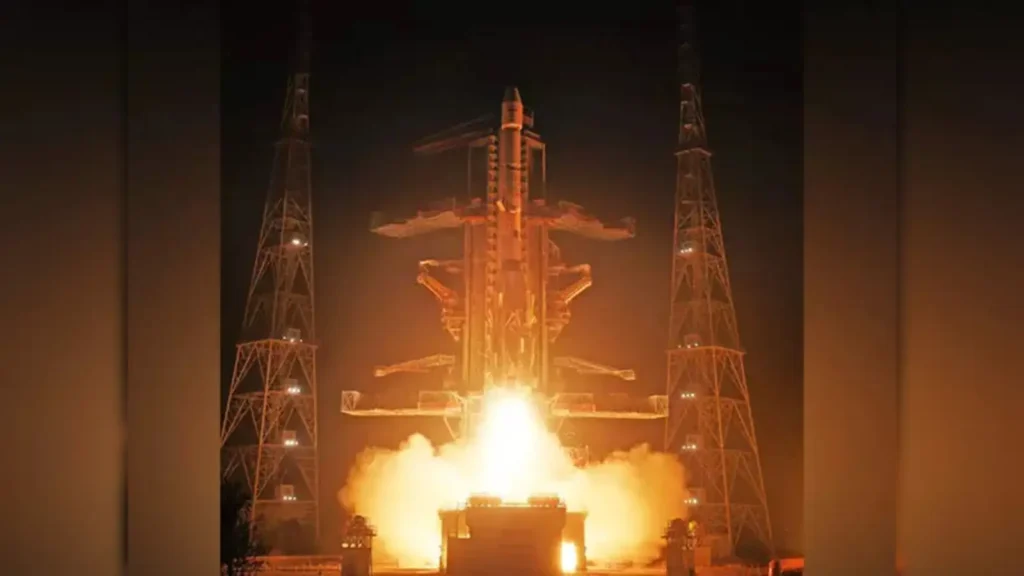
India’s space sector is emerging as an increasingly important part of the country’s technology and industrial ecosystem, with the national space economy estimated at around $8.4 billion and projected to reach approximately $44 billion by 2033. The projection forms part of India’s long-term strategy for expanding its presence in the global space economy.
The growth is being supported by the increasing participation of private companies and startups in areas including launch vehicles, satellites, propulsion systems, space-grade electronics and space-based services. According to the Department of Space, 399 space startups were operating in India as of January 2026.
India’s space-sector reforms have opened opportunities for private companies to participate in a wider range of activities. Under the Indian Space Policy 2023, private entities can undertake activities across satellite development, launches, ground stations and space-based services.
The government has also introduced measures to support investment and innovation in the sector. A ₹1,000 crore Venture Capital Fund under IN-SPACe has been approved to support space-sector startups and help companies scale their technologies and operations.
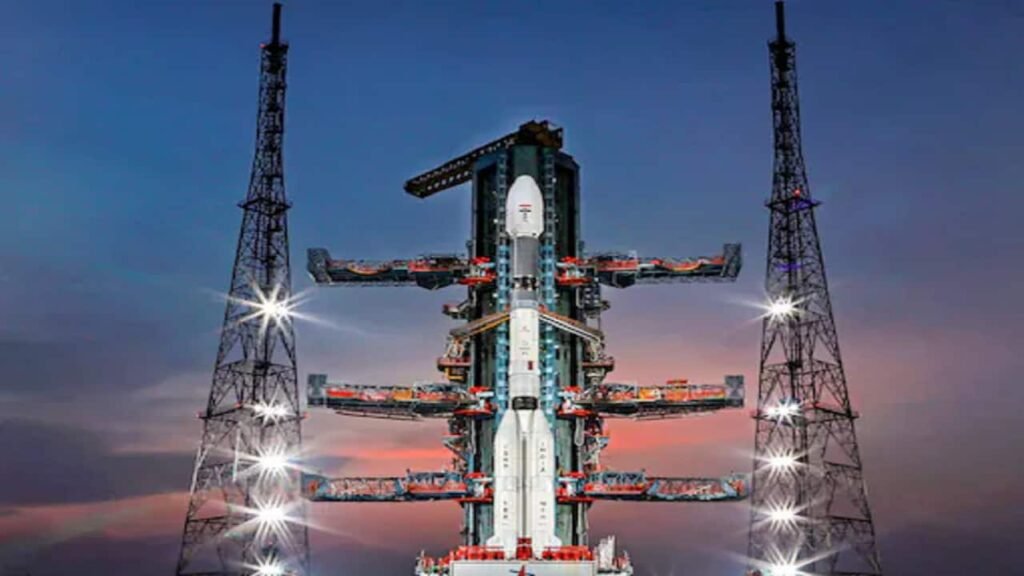
The expansion of India’s space economy is not limited to rocket launches. Satellite communication, Earth observation, navigation, data services and other downstream applications are becoming important areas of commercial activity.
The government’s decadal strategy aims to increase India’s share of the global space economy while encouraging exports and greater private-sector participation. The latest government projections put the Indian space economy at approximately $44 billion by 2033.
With startups, established companies, investors and government institutions increasingly working across the space value chain, India’s space industry is entering a phase focused not only on missions and launches but also on commercial applications and services.