
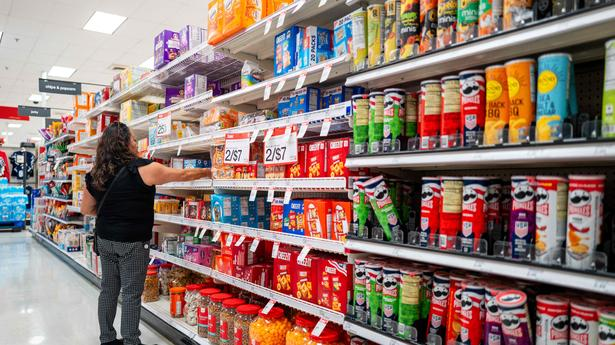
Packaged foods are convenient, widely available and increasingly part of everyday diets. But the information printed on the packet can sometimes be difficult to interpret. Health-conscious shoppers may look for words such as “healthy”, “natural” or “100%”, without always checking what the nutritional panel actually says.
As discussions around food labelling in India gain attention, consumers are being encouraged to look beyond attractive claims and understand what is really inside their food.
Why Front-of-Pack Labels Matter
Most shoppers make decisions quickly, often by looking at the front of a package. This is why front-of-pack warning labels can play an important role.
Proposals around prominent warning symbols aim to make it easier for consumers to identify products containing high amounts of nutrients such as added sugar, saturated fat and salt. A clear warning could help shoppers compare products without having to study complicated nutritional tables in a supermarket aisle.
The Problem With “Healthy” Looking Foods
A product may appear nutritious because of its packaging, colours or marketing language. But these impressions do not necessarily tell the complete story.
A breakfast cereal, snack, beverage or protein product can carry a health-oriented image while still containing significant amounts of sugar, salt or fat. Consumers should therefore check the nutritional information and ingredient list instead of relying only on promotional messages.
Why “100%” Claims Can Be Misleading
Words such as “100%” can create an impression of absolute purity or superiority. But such a statement may not provide enough information about the overall nutritional value of a product.
This is why food claims need to be understood in context. A product can meet one marketing description while still containing ingredients that consumers may want to limit.
Added Sugar Deserves Special Attention
Sugar is not always obvious from a product’s name. It can appear in different forms in ingredient lists, making it important to read the label carefully.
The proposed approach to food warnings focuses specifically on added sugar, rather than treating all naturally occurring sugars in the same way. For consumers, the key lesson is simple: do not judge a product only by its calorie count or the word “sugar” on the front.
Salt and Saturated Fat Also Matter
Sugar often receives the most attention, but excessive salt and saturated fat can also make some packaged foods less suitable for frequent consumption.
Processed snacks, ready-to-eat foods and convenience products can sometimes contribute significant amounts of these nutrients to the daily diet. Checking serving size and nutritional values can help put the numbers into perspective.
A Better Way to Shop
Instead of asking whether a packet looks healthy, shoppers can ask a few simple questions:
- How much added sugar does it contain?
- How much salt is present?
- What is the saturated-fat content?
- What is the actual serving size?
- Which ingredients appear near the beginning of the ingredient list?
- Are health claims distracting from the nutritional information?
These quick checks can make food shopping more informed without requiring consumers to become nutrition experts.
Labels Can Help, But Awareness Matters Too
Better food labelling can make healthier choices easier, but labels work best when consumers understand how to use them.
The growing discussion around packaged-food warnings is therefore more than a regulatory issue. It is also an opportunity for people to become more aware of what they eat. Learning to look beyond marketing claims and examine the nutritional information can be a small but meaningful step towards better everyday food choices.