
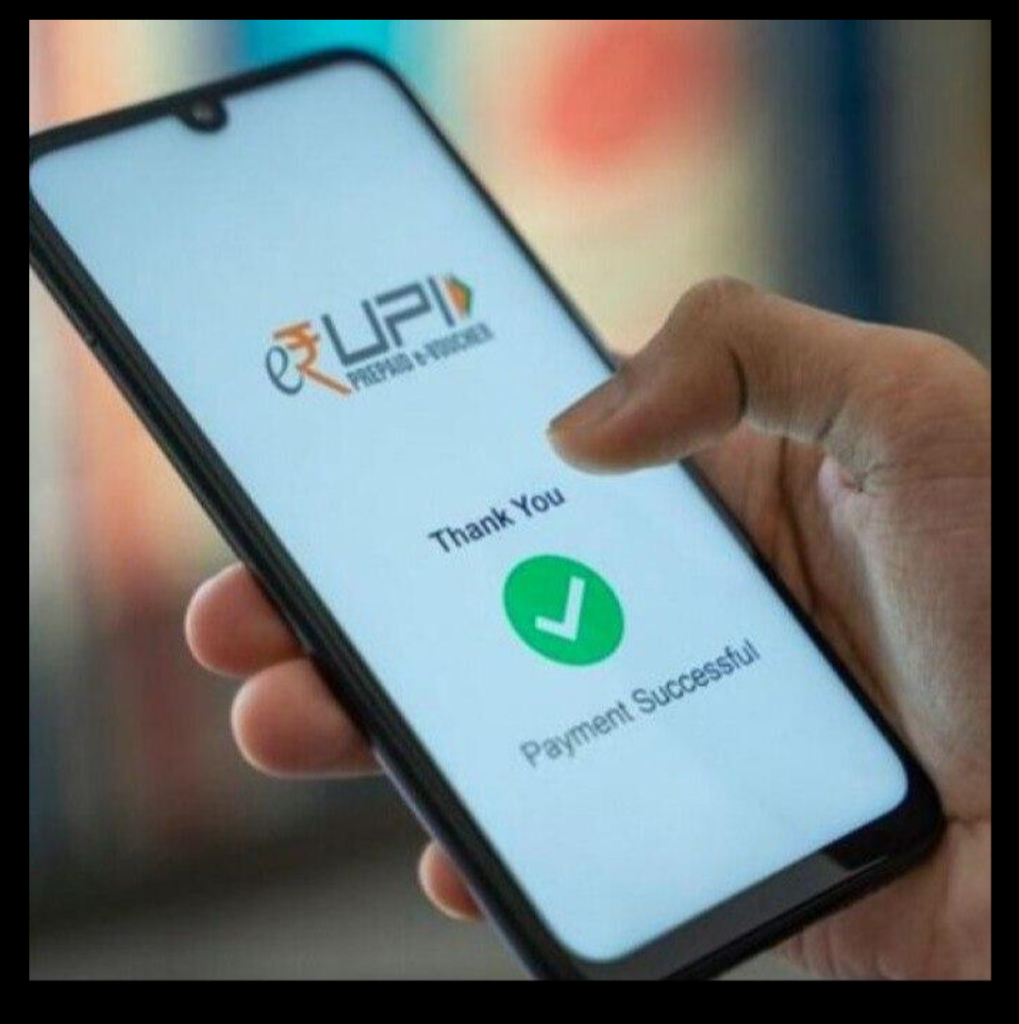
India’s Unified Payments Interface (UPI), the backbone of the country’s digital payments revolution, is set to end its long-running zero-fee model for certain merchant transactions. According to a Reuters report and subsequent analysis, the introduction of a Merchant Discount Rate (MDR) is expected to create meaningful new revenue opportunities for dominant platforms such as Walmart-backed PhonePe and Alphabet’s Google Pay
The National Payments Corporation of India (NPCI) has announced that from October 15, 2026, a 0.4% MDR will apply to person-to-merchant (P2M) UPI transactions above ₹2,000 (approximately $21). This marks the end of more than six years of free merchant payments that helped drive UPI’s explosive growth
Standard rate: 0.4% MDR on eligible merchant payments above ₹2,000.
Cap: ₹300 maximum on transactions of ₹75,000 or more.
Exemptions: Small merchants receiving up to ₹1 lakh per month via UPI QR codes remain fully exempt. Person-to-person transfers stay completely free regardless of amount.
Special categories: Flat ₹5 fee for payments related to railways, telecom, insurance, fuel, and certain other essential services. Lower rates (0.02%) apply to capital market transactions.
Consumers: Users will not be charged directly. Officials have stated that merchants cannot pass the fee on to customers.
Approximately 96% of merchant transactions by volume are expected to remain unaffected, either because they fall below the ₹2,000 threshold or qualify for exemptions.
Revenue Boost for Dominant Platforms
PhonePe and Google Pay together account for around 80% of UPI payment values. Analysts estimate that the new MDR could generate an annual revenue pool of up to $1.1 billion for payment apps by March 2028, with the two market leaders potentially capturing about $900 million of that based on their current share.
The fee revenue will be shared across the ecosystem — primarily among issuing banks, acquiring banks, payment service providers, and third-party app providers (TPAPs) such as PhonePe and Google Pay. The largest portion is expected to go to the customer’s issuing bank, with the remainder distributed among other participants.
Industry observers note that this new income stream could give the dominant players additional resources to invest in rural expansion, infrastructure resilience, cybersecurity, innovation, and customer service — areas NPCI has highlighted as priorities
While the changes aim to make the UPI ecosystem more financially sustainable after years of zero-MDR reliance, they are also likely to strengthen the position of the largest incumbents. Smaller rivals may face pressure to focus on higher-value transactions to generate meaningful fee income.
The shift brings UPI closer to global real-time payment systems that typically charge merchants (such as those in China, Singapore, and Brazil). At the same time, it has prompted discussion about market concentration, especially with NPCI’s earlier 30% market-share cap on individual third-party apps still under review.
UPI processed roughly 24 billion transactions worth about $311 billion in August 2026 alone, underscoring its scale and importance to India’s economy. The new framework is being closely watched by banks, fintech companies, merchants, and regulators as it begins to reshape the economics of digital payments.
For everyday users, the core promise of free, instant payments remains intact for the vast majority of transactions. The real impact will be felt by larger merchants and the platforms that facilitate high-value commerce.
As the October 15 rollout approaches, all eyes will remain on how the revenue is distributed, whether merchants absorb the costs without affecting consumer pricing, and how competition evolves in one of the world’s largest digital payments markets.