

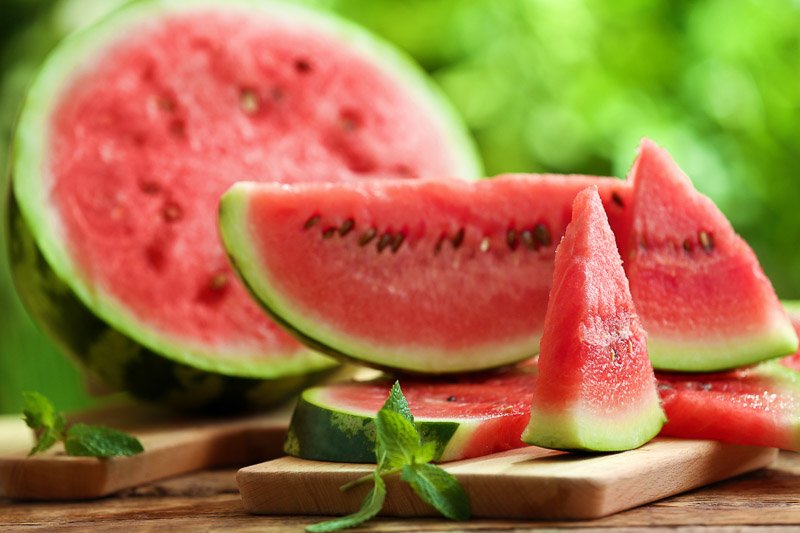
Watermelon is one of the most popular fruits for staying refreshed, particularly during hot weather. The fruit contains a high proportion of water and provides nutrients including vitamin A, vitamin C and lycopene. USDA sources note that watermelon is about 91–92% water and can contribute to hydration.
The combination of watermelon and salt has also attracted attention on social media and in food discussions. A small amount of salt can change the taste of watermelon by adding a salty contrast to its natural sweetness. However, claims that simply adding salt to watermelon can dramatically boost weight loss, burn belly fat or provide a special health benefit should not be treated as established medical facts without supporting evidence.
Watermelon contains lycopene and other plant compounds. USDA Agricultural Research Service research has highlighted watermelon as a source of antioxidants and lycopene.
Because of its high water content, watermelon can also be part of a diet that supports adequate fluid intake. However, eating watermelon does not replace drinking water when someone needs to rehydrate.
Salt provides sodium, an essential electrolyte involved in fluid balance, nerves and muscle function. But consuming excessive sodium can raise blood pressure, according to the CDC.Therefore, adding a small amount of salt for taste is different from consuming large quantities of salty foods. People who need to limit sodium—particularly those following medical dietary advice—should take their overall sodium intake into account.
There is no established evidence that sprinkling salt on watermelon specifically causes belly-fat loss. Weight management depends on overall energy intake, dietary patterns and physical activity rather than a single food combination.
Watermelon itself can be included in a balanced diet, but viral claims about it being a special fat-burning food should be approached carefully.
Watermelon is a naturally hydrating fruit with several useful nutrients. Adding a little salt may make it more flavorful, but it should not be promoted as a proven weight-loss or disease-treatment remedy.
For health-related dietary changes, individual needs and existing medical advice should be considered.