
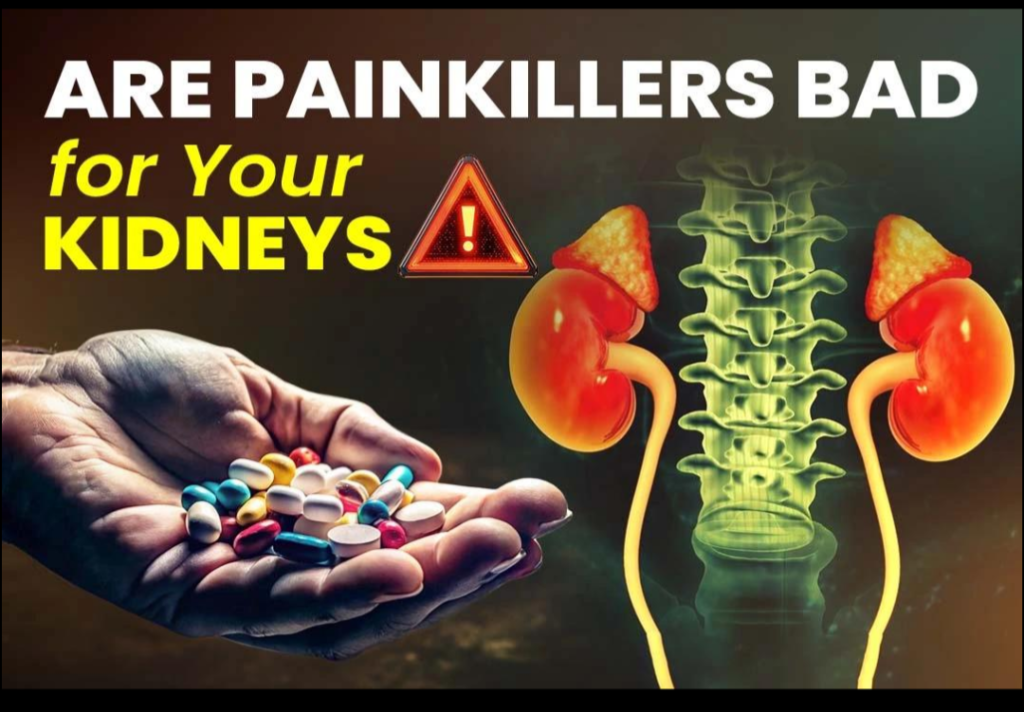
India’s apex drug regulator has issued a strong nationwide warning. The Central Drugs Standard Control Organisation (CDSCO) on September 21, 2026, has advised doctors, pharmacists, hospitals and the public to stop indiscriminate use of common painkillers and antibiotics, citing serious risk of Chronic Kidney Disease (CKD) and kidney impairment.
What Did CDSCO Say?
In its circular issued by Drug Controller General of India (DCGI) Dr. Rajeev Singh Raghuvanshi, the regulator said:
Non-Steroidal Anti-Inflammatory Drugs (NSAIDs) and antibiotics should only be used when clinically indicated, in the appropriate dose and for the appropriate duration, and under the supervision of a Registered Medical Practitioner (RMP).
The circular was addressed to healthcare professionals, pharmacists, retailers, distributors, hospitals and State drug control authorities.
Why This Warning?
Kidney Risk: Frequent, repeated, or prolonged use of NSAIDs like Ibuprofen, Diclofenac, and Ketorolac can reduce blood flow to kidneys, leading to acute kidney injury and long-term CKD.-
Antibiotic Misuse: Using antibiotics for viral infections, common cold, and fever where they are not needed causes antimicrobial resistance (AMR) and can also harm kidneys.-
Self-Medication Culture: In India, many people buy painkillers and antibiotics over-the-counter without a prescription.
Rules You Must Know – Schedule H & H1 The CDSCO reminded that drugs are regulated under the Drugs and Cosmetics Act, 1940.
Most NSAIDs are Schedule H drugs: Cannot be sold by retail without a prescription of an RMP as per Rule 97 of Drugs Rules, 1945.
Most antibiotics are Schedule H1 drugs: More strictly regulated. They must carry a warning label: _“It is dangerous to take this preparation except in accordance with the medical advice. Not to be sold by retail without the prescription of a Registered Medical Practitioner.”_ Pharmacists must maintain a register for 3 years.
What Should Public Do?
1. Don’t self-medicate: Never take antibiotics for viral fever or leftover medicines.
2. Inform your doctor: If you have pre-existing kidney disease, dehydration, heart issues, or are elderly, inform your doctor before taking NSAIDs.
3. Follow dosage: Take the lowest effective dose for the shortest duration. If pain/fever persists, consult a doctor instead of repeating painkillers.
4. Don’t share medicines: Complete the antibiotic course as prescribed.
Advice for Doctors and Pharmacists
Doctors have been asked to check age, comorbidities, and other medicines before prescribing NSAIDs. Pharmacists and retailers have been directed not to encourage or facilitate self-medication with prescription-only medicines.