
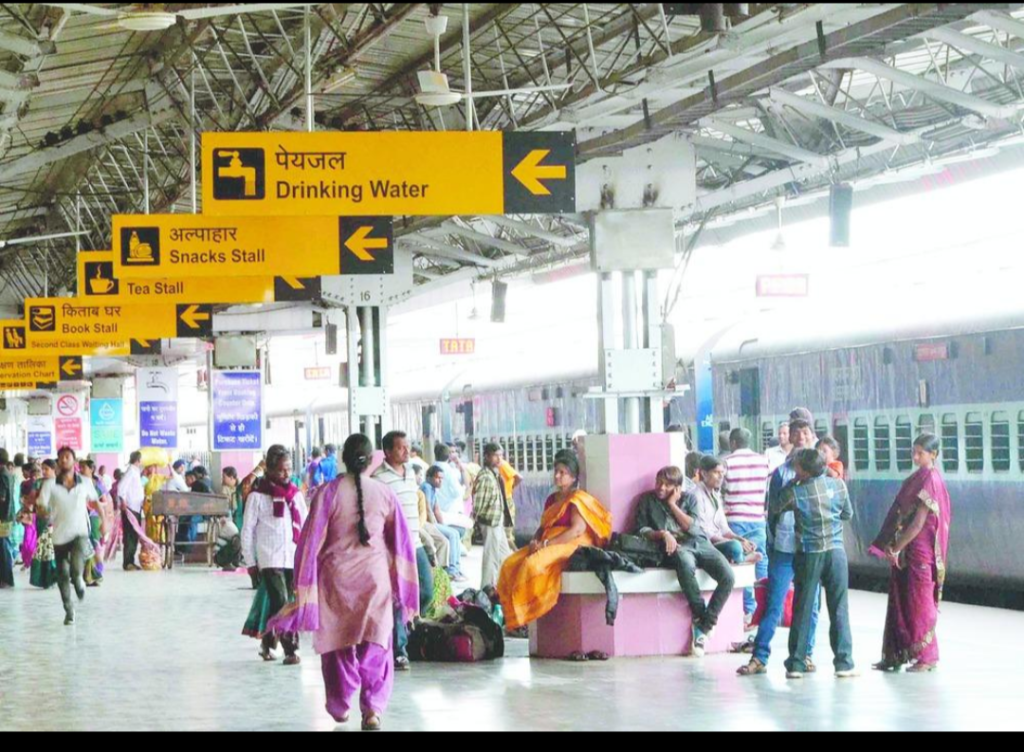
A parliamentary panel has sought detailed responses from Indian Railways following a Comptroller and Auditor General (CAG) report that highlighted widespread deficiencies in passenger amenities, sanitation and drinking-water facilities at many stations across the network.
PAC Meeting and Directions
The Public Accounts Committee (PAC), headed by Congress MP K.C. Venugopal, examined the CAG’s Report No. 31 of 2026 on “Passenger amenities and sanitation at non-suburban railway stations in Indian Railways” during a meeting on September 17, 2026. The panel expressed concern over persistent gaps despite repeated assurances given by the Ministry of Railways over the years.
PAC Chairperson Venugopal directed the Railway Ministry to review observations dating back to earlier reports (including those from 2007 onwards) and submit a response within one month, detailing measures to address the deficiencies. The committee also sought written replies from zones such as Central and Western Railway on specific questions, with further discussions planned.
The CAG audited 512 non-suburban stations and found that 458 stations (more than 89%) were deficient in one or more Minimum Essential Amenities (MEAs). These included:
Drinking water taps
Seating arrangements
Toilets and urinals
Platform shelters
FansWater coolers
Signage
Only about 11% of the inspected stations fully met the prescribed norms. Shortfalls were observed even at high-revenue, high-footfall NSG-1 category stations such as CSMT (Mumbai), Howrah, Sealdah, New Delhi and Mumbai Central.
On sanitation, bio-toilets or waterless toilets were found deficient or non-functional at a very high proportion of stations (around 96% in the surveyed sample). Water-vending machines and Wi-Fi facilities also showed gaps at several locations.
The audit raised serious issues about water safety. Samples from water coolers at eight stations tested positive for E. coli bacteria. Total coliform bacteria (including E. coli) were detected in platform tap samples at dozens of stations across multiple zones in 2022-23 and 2023-24. Shortcomings were also noted in the frequency and completeness of residual chlorine, bacteriological and chemical testing.