
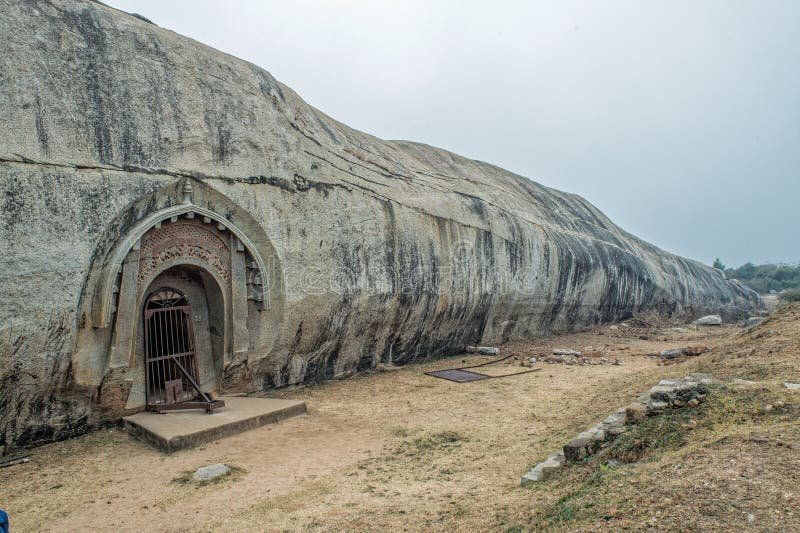
Barabar Caves in Bihar stand as a remarkable reminder of India’s ancient architectural and engineering heritage. Carved directly into massive granite hills more than two millennia ago, these caves continue to attract history enthusiasts, travellers and archaeology lovers.
Located in the Jehanabad district of Bihar, the Barabar hill caves are associated with the Mauryan period and are among the oldest surviving examples of rock-cut architecture in India. Their interiors feature carefully carved chambers and remarkably smooth stone surfaces, showcasing the advanced craftsmanship of ancient Indian artisans.
The caves are particularly known for their polished granite interiors and distinctive architectural design. Some chambers were associated with the Ajivika tradition, an ancient ascetic movement that flourished during the Mauryan era.
Beyond their historical importance, the Barabar Caves offer a glimpse into how ancient builders transformed solid rock into functional spaces using techniques that remain impressive even today. Their entrances, chambers and polished surfaces reflect the precision and patience involved in creating these structures.
The site also holds religious and archaeological significance, making it an important destination for those interested in India’s ancient history. The surrounding granite landscape adds to the dramatic character of the caves and makes Barabar a fascinating example of India’s enduring rock-cut heritage.
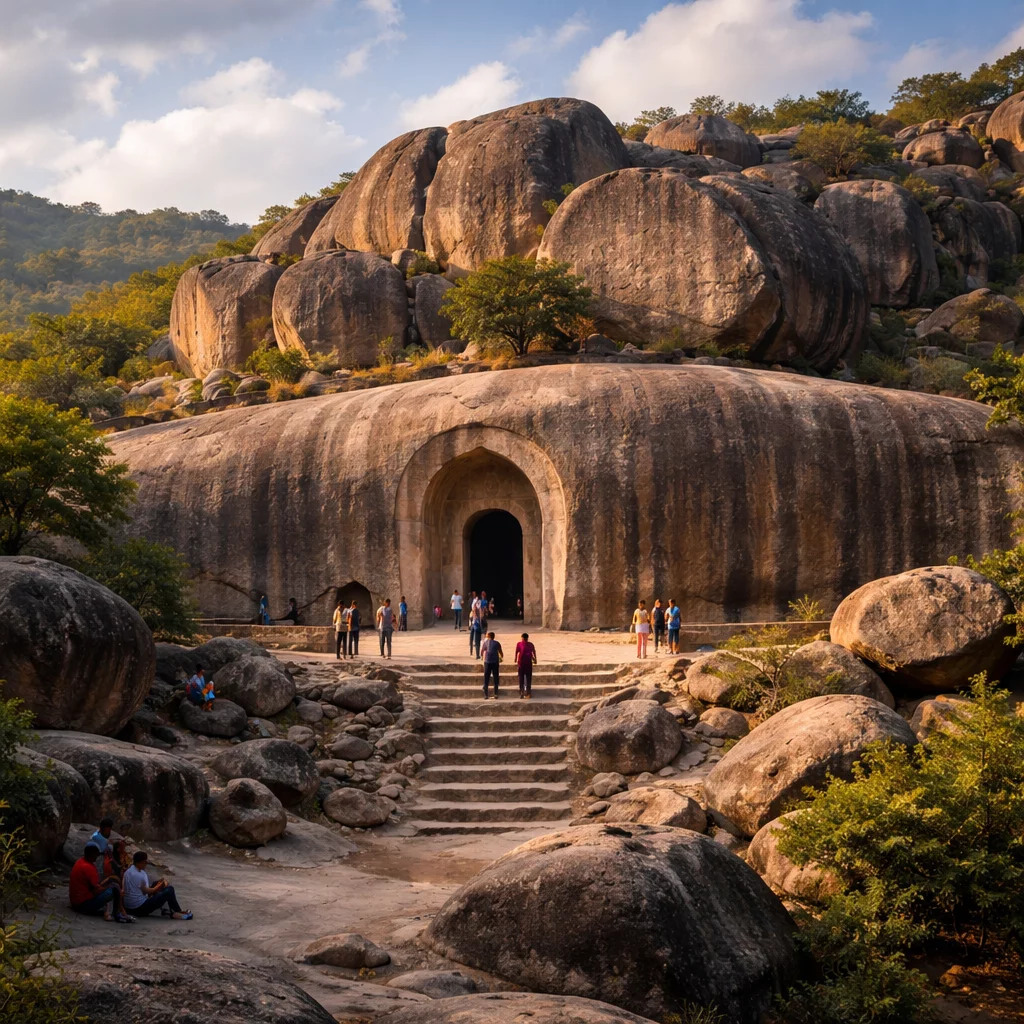
One of the most striking features of the Barabar Caves is the highly polished interior surfaces. The smooth granite walls and carefully shaped chambers demonstrate the advanced stone-cutting skills of ancient craftsmen. The caves also feature distinctive entrances and simple but impressive interior layouts.
The Lomas Rishi Cave, in particular, is known for its beautifully decorated entrance, which resembles the façade of a wooden or thatched structure. This design has become an important reference for understanding the development of early Indian architectural forms.
Despite their age, several sections of the caves remain remarkably well preserved. Their unusual acoustics, polished stone surfaces and imposing granite surroundings make the site especially interesting for history and architecture enthusiasts.
Today, Barabar Caves remain an important heritage destination in Bihar, connecting visitors with a period when monumental structures were created by carving directly into natural rock. The site reflects the technological skill, artistic vision and religious traditions of ancient India.