

Eggs are often included in discussions about healthy pregnancy nutrition because they provide several important nutrients. They are a good source of high-quality protein and also contain nutrients such as choline, vitamin B12, vitamin D and selenium.
Choline is particularly important during pregnancy because it plays a role in fetal brain and nervous-system development. However, eating eggs alone does not guarantee that a baby will be stronger or more intelligent. A baby’s development depends on many factors, including overall maternal nutrition, genetics, healthcare and lifestyle.
Pregnant women should also ensure that eggs are properly cooked to reduce the risk of foodborne infections. A balanced pregnancy diet should include a variety of nutrient-rich foods rather than relying on a single food.
Eggs can be a nutritious addition to a balanced pregnancy diet. They provide high-quality protein along with several vitamins and minerals that support the nutritional needs of the mother and the developing baby.
One of the important nutrients found in eggs is choline, which contributes to normal brain and nervous-system development. Eggs also provide vitamin B12, vitamin D, selenium and iodine, although the exact nutritional content can vary depending on the egg and preparation method.
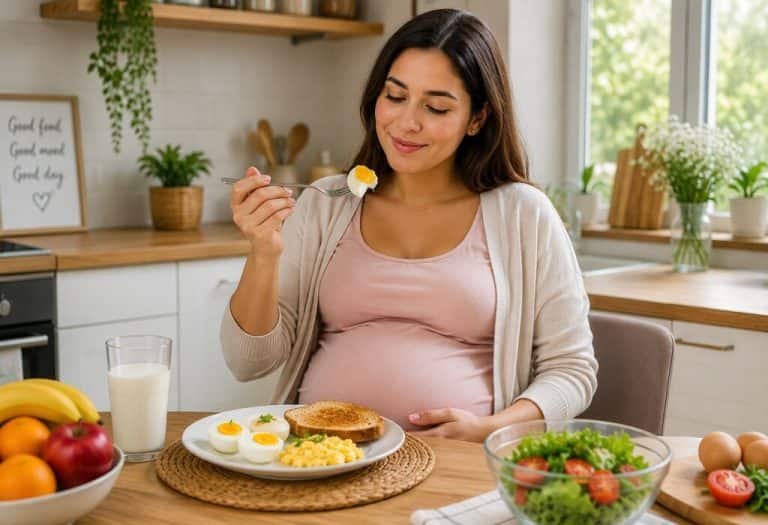
Protein is another major benefit. During pregnancy, adequate protein intake is important for supporting the growth and development of the baby and maintaining the mother’s changing nutritional requirements. Including eggs alongside vegetables, fruits, whole grains, pulses, dairy products and other protein sources can help create a varied diet.
However, the claim that eating eggs during pregnancy automatically makes babies “strong and intelligent” is too broad. No single food can determine a child’s intelligence or overall development. Genetics, overall nutrition, maternal health, prenatal care and many other factors all contribute to a child’s development.
Pregnant women should take care to eat properly cooked eggs. Raw or undercooked eggs can carry harmful bacteria, including Salmonella, which can cause foodborne illness. Eggs should be cooked until both the white and yolk are firm, unless they are prepared using pasteurized eggs or products.
Eggs can be boiled, scrambled, poached or cooked as part of other meals. Avoiding excessive oil, salt and highly processed accompaniments can also help keep meals balanced.While eggs can contribute valuable nutrients, pregnancy nutrition should not depend on one food.
A varied diet containing vegetables, fruits, whole grains, legumes, nuts, dairy or suitable alternatives and other protein sources can provide a wider range of nutrients.Women with specific dietary requirements, allergies, medical conditions or pregnancy-related concerns should discuss their food choices with their doctor or a qualified dietitian.
Eggs can be a nutritious part of pregnancy meals, particularly because they provide protein and choline, but they should be viewed as one component of an overall balanced diet, not as a guaranteed way to improve a baby’s intelligence or strength.