
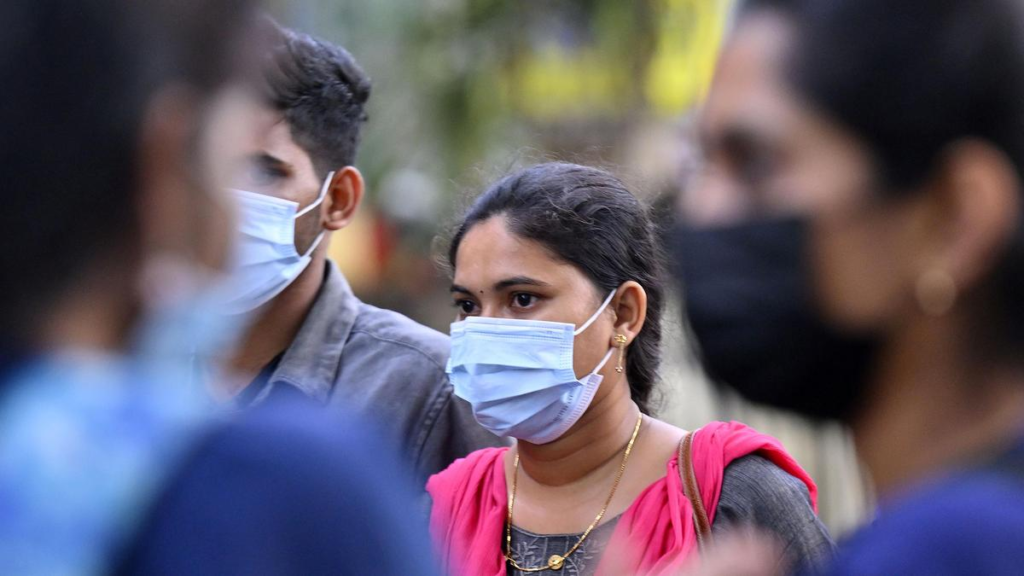
Changes in weather, humidity and rainfall can create favourable conditions for several infections. During seasonal transitions, people may see more cases of flu-like illnesses, respiratory infections, stomach infections and mosquito-borne diseases.
Common Seasonal Infections
Respiratory illnesses such as influenza and other viral infections can cause symptoms including cough, runny nose, sore throat, fever, body aches and tiredness. These symptoms can overlap across different infections, so identifying the exact cause based on symptoms alone can be difficult.
Rainy conditions can also increase the risk of mosquito-borne illnesses because stagnant water provides breeding grounds. Water and food contamination may contribute to gastrointestinal infections as well.
Why Weather Changes Matter
Humidity, temperature fluctuations, rainfall and increased time spent in crowded indoor spaces can influence how some infections spread. Seasonal influenza, for example, regularly shows seasonal patterns in India.
Simple Ways to Stay Protected
Good hygiene remains one of the easiest ways to reduce infection risk. Wash your hands regularly, avoid close contact with people who are unwell and keep indoor spaces adequately ventilated. Preventing stagnant water around homes can also help reduce mosquito breeding.
People with respiratory symptoms should also take precautions around vulnerable family members and avoid crowded spaces when possible.
When to Seek Medical Help
Most minor respiratory infections improve with time, but persistent or worsening symptoms should not be ignored. Difficulty breathing, chest pain, prolonged fever, severe weakness or dehydration require medical attention.
Stay Alert, Not Alarmed
Seasonal infections are common, but basic precautions can reduce the chances of illness and transmission. Staying hydrated, maintaining hygiene and seeking medical advice when symptoms become concerning can help make seasonal changes easier to manage.