
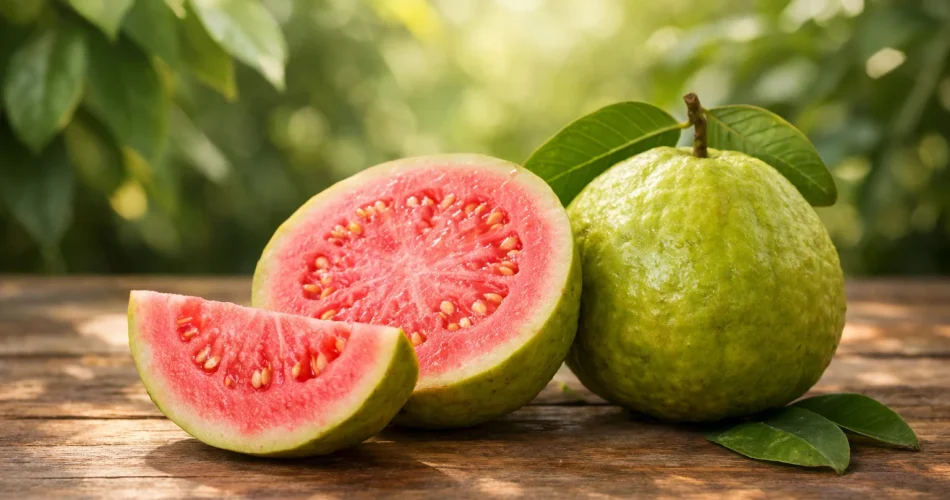
Guava is gaining attention as a nutrient-rich fruit that can be included in a balanced diet. It is particularly known for its vitamin C content, along with dietary fiber and other plant compounds. USDA sources list guava among foods that are naturally rich in vitamin C.
Beyond its vitamin content, researchers have investigated whether guava may influence blood-glucose responses. A randomized study involving healthy adults found that guava fruit had a relatively low glycemic index, suggesting that consuming the whole fruit can produce a comparatively modest rise in blood glucose.
Other clinical research has also examined guava extracts and their effects on post-meal glucose levels. One small randomized study found that a guava fruit extract reduced the postprandial glucose response at certain time points compared with a control. However, this research involved a specific guava extract, rather than showing that ordinary guava reduces blood sugar by a fixed percentage for everyone.
Therefore, the “26% reduction” claim shown in the image should not be presented as a universal effect of eating guava. Blood-sugar responses can vary depending on the person, portion size, meal composition and whether whole fruit, juice or an extract is consumed.
Guava can nevertheless be a useful addition to a balanced eating pattern, providing vitamin C, fiber and other nutrients. For people managing diabetes or taking glucose-lowering medicines, fruit should be incorporated according to individual dietary advice rather than used as a replacement for prescribed treatment.

The fiber in guava can support digestive health and may contribute to a feeling of fullness after eating. Dietary fiber can also influence how quickly carbohydrates are digested and absorbed, which is one reason whole fruits are generally preferred over fruit juices when considering blood-sugar management.
Eating whole guava provides fiber that may be lost or reduced when fruit is processed into juice. Choosing fresh, whole fruit can therefore be a practical way to obtain its nutrients while avoiding the concentrated sugars found in many fruit juices.
Although guava can form part of a healthy eating pattern, it should not be considered a treatment for diabetes or a replacement for prescribed medicines. People with diabetes or other blood-sugar concerns should consider portion size and their overall meal composition and follow advice from their healthcare professional.
Guava offers a combination of vitamin C, dietary fiber and other nutrients, making it a nutritious fruit choice. Research into its effects on blood glucose is promising in some areas, but claims such as a guaranteed 26% reduction in blood sugar after meals should be treated cautiously because individual responses and study conditions vary.