
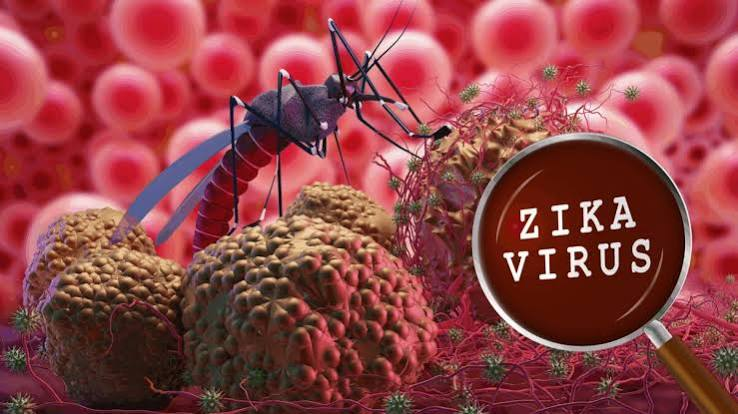
Zika virus is usually associated with mosquito bites, but there is another important route of transmission that deserves attention: sexual contact. This becomes particularly important for couples planning a pregnancy because Zika infection during pregnancy can affect the developing baby.
The virus is mainly spread by infected Aedes mosquitoes, which can also transmit dengue and chikungunya. However, sexual transmission has been documented and can occur even when an infected person has no obvious symptoms.
What Is Zika Virus?
Zika is a mosquito-borne viral infection. Many infected people do not develop symptoms, while those who do may experience fever, rash, red eyes, joint or muscle pain, headache and general weakness.
Symptoms are generally mild and last for several days, which means some people may not realise they have been infected.
How Can Zika Affect Sexual Health?
Zika can be transmitted through sexual contact with an infected person. Documented transmission has occurred between different types of sexual partners, and an infected person may transmit the virus even without symptoms.
The virus can persist in semen longer than in some other body fluids, which is one reason sexual-health precautions are important after infection or possible exposure.
Why Men Need to Be Aware
For men who have recently had Zika infection or possible exposure, the virus can remain detectable in semen after other symptoms have disappeared.
Current CDC guidance recommends that men use condoms or avoid sex for at least three months following the relevant exposure or illness period to reduce the possibility of sexual transmission.
People should discuss their individual circumstances with a healthcare professional, particularly if pregnancy is being planned.
The Pregnancy Connection
The greatest concern surrounding Zika is its potential effect during pregnancy. Infection can be passed from a pregnant woman to her developing baby and has been associated with microcephaly and other congenital abnormalities.
Zika infection during pregnancy has also been associated with pregnancy loss and premature birth.
Importantly, pregnancy-related complications can occur even when the infected person has experienced few or no symptoms.
Zika and Dengue Are Not the Same
Because both infections can be transmitted by Aedes mosquitoes, Zika and dengue are sometimes discussed together. However, they are caused by different viruses and can have different complications.
Symptoms can overlap, so a person should not try to determine the infection based only on symptoms. WHO notes that laboratory testing may be needed to confirm Zika infection.
How Can People Reduce the Risk?
Preventing mosquito bites remains an important part of Zika prevention. People travelling to or living in areas where Zika transmission occurs can reduce exposure by using appropriate mosquito protection and following local public-health advice.
Sexual transmission can be reduced through consistent condom use or abstinence when recommended. Couples who are pregnant, planning pregnancy or concerned about a recent exposure should seek medical advice about appropriate precautions.
When Should You Speak to a Doctor?
Anyone who develops symptoms after possible exposure to Zika should contact a healthcare professional, particularly if they are pregnant or planning a pregnancy.
Medical advice is also important after travel to an area with Zika transmission, especially when pregnancy is involved. Testing and prevention recommendations can depend on the person’s location, travel history and timing of exposure.
The Bigger Message
Zika is not only a mosquito-borne health concern. Its ability to spread sexually makes awareness particularly important for couples and people planning a family.
Understanding how the virus spreads, recognising that infection may be symptom-free and taking appropriate precautions can help reduce the risk of transmission and protect pregnancy outcomes.