
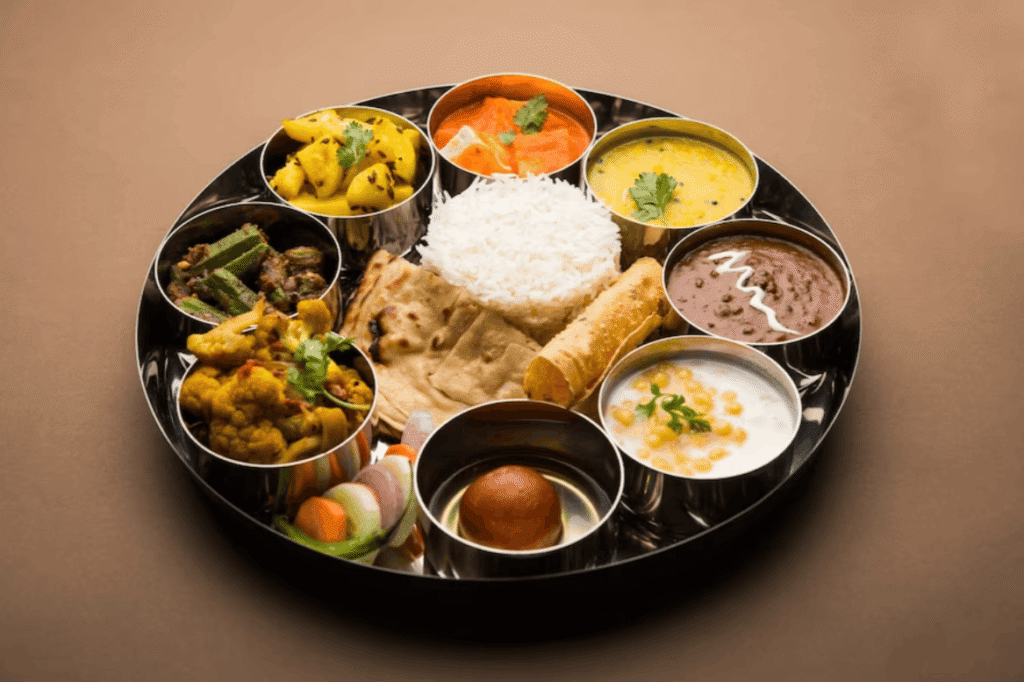
Festive celebrations often bring elaborate meals, traditional sweets and rich snacks to the table. In recent years, healthier festive menus featuring ingredient substitutions, low-sugar desserts and alternative flours have gained popularity. But do these trendy food swaps actually make festive eating healthier?
The answer depends on the ingredients used, portion sizes and the overall nutritional value of a dish.
Do Healthier Ingredient Swaps Make a Difference?
Replacing refined flour with whole-wheat flour or adding millet to recipes can increase fibre intake. Similarly, using fruit to add sweetness or reducing the amount of added sugar may help improve the nutritional profile of certain dishes.
However, a substitute is not automatically healthier simply because it is labelled natural, organic or sugar-free. The overall ingredients and preparation method matter just as much.
Are Sugar-Free Festive Desserts a Better Choice?
Sugar-free sweets may appeal to people trying to reduce their added sugar intake. However, some products contain sugar alcohols, alternative sweeteners or other ingredients that may affect digestion or contribute calories.
Dates, honey and jaggery are also often used as alternatives to refined sugar, but they still contribute sugars and calories. Choosing these ingredients does not make a dessert suitable for unlimited consumption.
Traditional Foods Can Fit Into a Balanced Diet
Traditional festive dishes do not necessarily need to be replaced with trendy alternatives. Many Indian recipes use lentils, nuts, dairy products, whole grains and spices that can contribute valuable nutrients.
Instead of focusing only on substitutions, people can balance their meals with vegetables, protein-rich foods and fibre-containing ingredients. Enjoying favourite sweets in moderate portions can also help maintain a balanced approach to festive eating.
Portion Control Matters Most
Even foods made with nutritious ingredients can contribute excess calories when eaten in large quantities. Eating slowly, paying attention to hunger cues and avoiding unnecessary snacking throughout the day can help people enjoy celebrations without overindulging.
Ultimately, healthier festive eating is less about following every food trend and more about making sensible choices. Thoughtful ingredient swaps can help, but balanced meals, appropriate portions and an overall varied diet remain the foundation of healthy eating.