
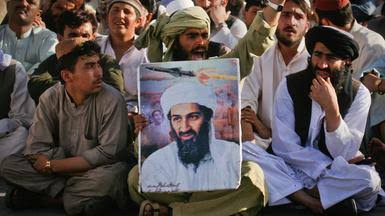
Newly declassified CIA documents have brought renewed attention to the intelligence warnings surrounding Osama bin Laden and al-Qaeda in the years before the September 11, 2001 attacks.
The release of 71 documents, made public on the 25th anniversary of 9/11, offers a detailed look at what senior US officials were being told about the terrorist network, its ambitions and its potential targets.
Warnings Came Years Before 9/11
The documents show that American intelligence agencies had been tracking bin Laden and his organisation well before the attacks on New York and Washington.
Briefings from the late 1990s warned that al-Qaeda was interested in carrying out attacks on US soil. Intelligence assessments also discussed possible hijackings and the group’s efforts to acquire dangerous weapons.
The revelations underline how long the threat had been developing before the attacks eventually took place.
India Also Appeared in the Threat Picture
The newly highlighted material has drawn attention in India because intelligence assessments from the period considered bin Laden’s ambitions beyond American targets.
The wider concern was that al-Qaeda’s activities had an international reach, with South Asia forming an important part of the network’s operating environment.
For India, the disclosures provide another historical perspective on the security challenges posed by extremist networks operating across the region.
Concerns Over Weapons and Mass Casualty Attacks
Some of the declassified briefings describe concerns about bin Laden’s interest in chemical, biological and other unconventional weapons.
Intelligence officials also examined the possibility that al-Qaeda could use aircraft as weapons. One 1998 assessment warned that an explosive-packed plane could potentially be used against a US city.
These warnings are particularly striking when viewed against the events that followed three years later.
What the Documents Reveal About Intelligence
The documents do not simply tell the story of what was known. They also highlight the difficulty of turning fragmented intelligence into a precise prediction of when and where an attack would occur.
Analysts were monitoring bin Laden’s movements and network, but the available information often lacked the specific operational details needed for decisive action.
That gap between warning and response has remained one of the major questions surrounding the period before 9/11.
A Look Back at a Changing Security Landscape
The documents also reflect the international environment of the late 1990s, when Afghanistan had become an important base for bin Laden and al-Qaeda.
The Taliban’s relationship with bin Laden was already a concern for US intelligence officials. By 1998, briefings were warning that the Taliban was reluctant to take action against him.
These developments would eventually become central to the international response after the September 2001 attacks.
Why the Release Matters Today
The declassified material arrives at a time when governments continue to reassess how intelligence agencies identify and respond to emerging threats.
The files provide historians, security experts and policymakers with additional evidence about the information available to US leaders before 9/11.
They also demonstrate how terrorist networks can develop over years while exploiting gaps between intelligence collection, analysis and government action.
Lessons That Remain Relevant
The biggest lesson from the documents may be the importance of connecting individual warnings into a broader picture.
Modern security agencies face a similar challenge as threats evolve across borders and increasingly use technology, financial networks and decentralised organisations.
For India and other countries dealing with regional security concerns, the historical disclosures serve as a reminder that international terrorism rarely remains confined to one country.
The newly released files therefore offer more than a look into the past. They provide another opportunity to understand how early warnings can be recognised, shared and acted upon before a developing threat becomes a global crisis.