
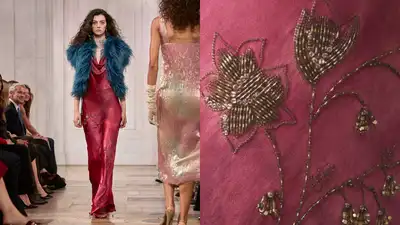
Global fashion brands are once again facing questions over the use of traditional craft influences from India. A social media post highlighted by India Today Global has drawn attention to designs associated with luxury fashion houses Fendi and Ralph Lauren, with the discussion focusing on whether Indian craftsmanship and design traditions received appropriate credit.
The debate has gained attention because several elements featured in luxury fashion designs appear visually similar to techniques, patterns and decorative traditions long associated with Indian artisans. The issue has renewed conversations around Indian craft designs, cultural recognition and the relationship between traditional craftsmanship and international fashion.
India has a long history of textile arts, embroidery, beadwork, mirror work, weaving and intricate surface decoration. These techniques are used by artisan communities across different regions and have influenced fashion designers around the world.
The social media post questions whether such traditional influences are being adequately acknowledged when they appear in high-end international collections. For many observers, the discussion is not simply about visual similarity but also about the importance of recognising the communities and craftspeople behind traditional techniques.
The viral post specifically names Fendi and Ralph Lauren, suggesting that some of their fashion pieces feature design elements that resemble Indian craft traditions. However, visual resemblance alone does not establish that a particular design was directly copied from a specific artisan, community or Indian product. Determining the origin of a fashion design requires examination of the designer’s creative process, sourcing records, collaborations and documented references.
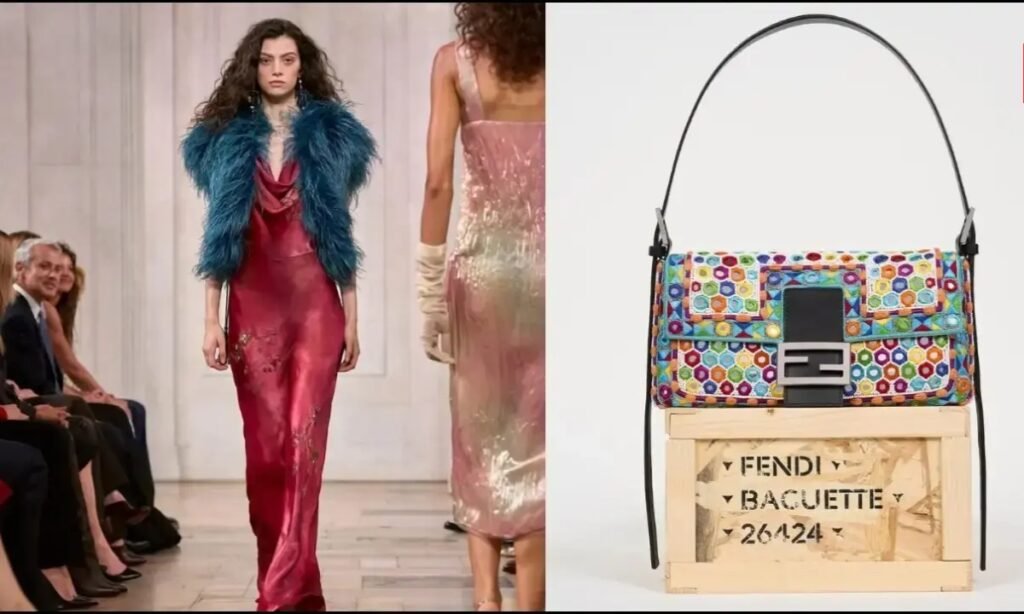
The discussion reflects a broader global conversation about cultural appropriation, intellectual property and traditional knowledge in the fashion industry. Designers increasingly face questions about how they work with indigenous and traditional communities and whether artisans receive recognition or economic benefits.
For Indian handicraft communities, proper recognition can help highlight the value of traditional skills while bringing greater visibility to crafts that have been passed down through generations.The controversy also highlights the changing relationship between Indian craftsmanship and international luxury fashion. Indian embroidery, textiles, embellishments and decorative techniques have long attracted global attention.
As social media makes it easier to compare designs from different parts of the world, fashion houses are likely to face greater scrutiny over how traditional cultural elements are used and presented.The discussion surrounding Fendi and Ralph Lauren therefore goes beyond individual fashion pieces. It raises a wider question about credit, collaboration and recognition for Indian craft designs in the global fashion industry.