
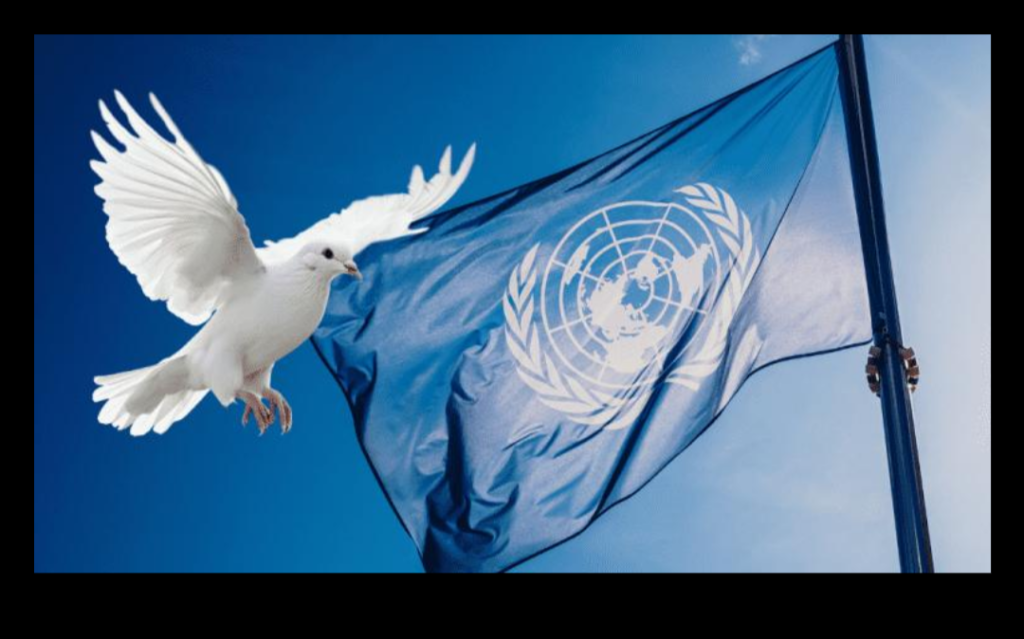
September 21 is observed globally as the International Day of Peace, established by the United Nations to strengthen the ideals of peace and non-violence among nations and peoples.
History and Significance
The United Nations General Assembly established the International Day of Peace in 1981 (Resolution 36/67). In 2001, the Assembly unanimously declared it a permanent annual date and a period of non-violence and ceasefire. Since 2002, it has been observed every year on 21 September.
The day serves as a call for a 24-hour cessation of hostilities and a reminder that peace is more than the absence of war. It is the foundation for safety, dignity, opportunity and cooperation in daily life.
2026 Theme: Invest in Peace – For Everyone, Everywhere, Every Day
This year’s theme, “Invest in Peace – For Everyone, Everywhere, Every Day,” focuses on the role of ordinary people — the “everyday architects of peace” — who drive local action and lay the groundwork for lasting stability.
UN Secretary-General António Guterres has urged the world to be inspired by those who champion peace in neighbourhoods, classrooms and communities, and has called on leaders to invest in a peaceful future for all.
The theme emphasises that peace is built not only in conference rooms but through daily actions such as:
Helping others
Speaking up for positive change
Promoting dialogue and understanding
Supporting community initiatives