

A fascinating piece of ancient engineering has captured attention in Mandav, Madhya Pradesh, where a 15th-century spiral water channel continues to showcase the sophisticated water-management techniques used centuries ago.
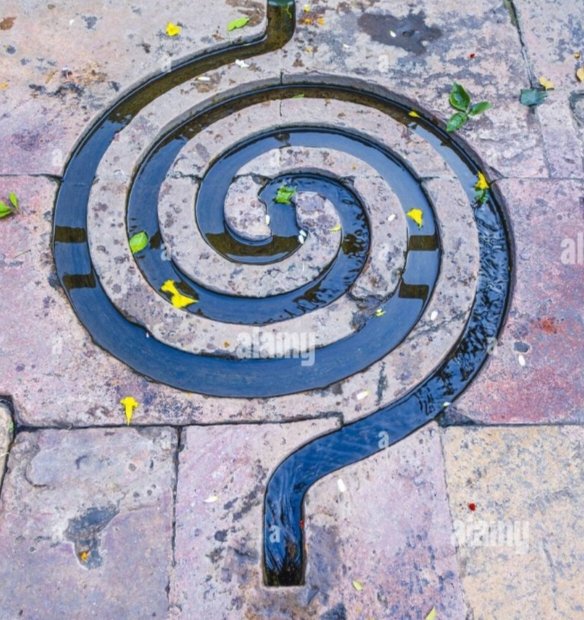
The unique structure features a carefully designed spiral and shell-shaped channel through which water flows. Its distinctive design reflects how historical builders developed practical systems to control and direct water using simple yet highly effective architectural principles.
Located in the historic region of Mandav, the water channel offers a glimpse into the engineering knowledge of the period. The structure demonstrates how water management was incorporated into historic architecture, particularly in an era when modern pumps and mechanical systems were not available.
The spiral design is particularly striking, with the channel guiding water through a curved pathway before directing it toward the outlet. Such structures highlight the importance of water conservation and controlled water movement in historical settlements.
Today, the centuries-old feature stands as an example of India’s rich architectural and engineering heritage, attracting interest from visitors and history enthusiasts fascinated by traditional water-management systems.
Such heritage structures provide valuable insight into how people in earlier centuries adapted to their environment. In a period without electric pumps, automated systems or modern construction technology, engineers and builders depended heavily on gravity, terrain, stonework and precise planning.
The surviving channel also underlines the importance of preserving lesser-known heritage features. While Mandav’s famous monuments attract widespread attention, smaller engineering structures can offer equally interesting information about the daily life, technology and resource-management practices of earlier societies.
Today, such structures are more than remnants of the past. They provide an opportunity to understand how earlier generations approached challenges such as water conservation, distribution and sustainable resource use. The Mandav channel remains a striking example of how practical engineering and architectural creativity could work together centuries ago.