
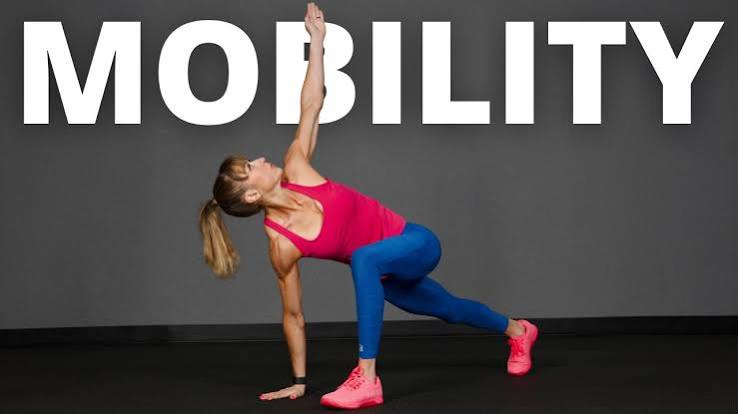
Fitness is often associated with strength, speed and endurance. But there is another important part of physical fitness that can easily be overlooked: mobility.
Mobility is about how well you can control your body through different movements. It can influence everyday activities, exercise performance and how comfortably you move throughout the day. Unlike some fitness goals that are measured by numbers, mobility is often noticed through simple improvements in how the body feels and moves.
Mobility Is More Than Flexibility
Flexibility and mobility are closely related, but they are not exactly the same.
Flexibility generally describes how far a muscle or joint can move when it is being stretched. Mobility involves more active control and also includes strength, coordination, stability and movement control.
For example, being able to bend forward requires flexibility, while controlling your body as you move between different positions requires mobility.
Why Everyday Movement Matters
Good mobility can make ordinary movements feel more comfortable and efficient. Bending down to pick something up, reaching for an object, getting up from the floor or turning to look behind you all require coordinated movement.
When certain areas of the body are stiff or restricted, other areas may compensate. Over time, this can contribute to discomfort and inefficient movement. Maintaining mobility can therefore be a useful part of a balanced fitness routine.
Mobility Can Support Active Lifestyles
Mobility is not only useful for everyday activities. It can also complement other forms of exercise.
When joints and surrounding tissues can move effectively, people may find it easier to perform different movements during workouts and sports. Mobility work can therefore be incorporated alongside strength, cardiovascular exercise and other forms of training.
The goal is not to make every workout longer or more complicated. Instead, small amounts of regular mobility work can become part of an existing routine.
Make Movement Part of Your Day
Mobility does not always have to be a separate workout.
One approach highlighted by experts is simply spending some time sitting on the floor in different comfortable positions. Changing positions regularly can encourage people to move through a variety of basic shapes and positions.
Short mobility sessions can also be added before exercise as part of a dynamic warm-up or used during an evening wind-down routine.
Try Short “Mobility Snacks”
A useful way to make mobility more manageable is to think of it as a series of short sessions rather than a lengthy workout.
The Guardian article recommends around 10–15 minutes of mobility work several times a week. Examples discussed include movements such as 90/90 hip switches, cat-cow and the world’s greatest stretch.
Short sessions can make the habit easier to maintain, especially for people who already have busy exercise or work schedules.
Recovery and Movement Go Together
Mobility can also fit naturally into recovery-focused routines. Gentle movement can provide an opportunity to move joints through comfortable ranges without turning every session into an intense workout.
Some people also use tools such as foam rollers for soft-tissue work. However, these should be used carefully and should not be applied directly over joints. Anyone with an injury or medical condition should get appropriate professional advice before trying new techniques.
Consistency Matters More Than Complexity
Mobility does not require an elaborate program or a long daily session. The more important factor is creating a routine that can be repeated consistently.
A few minutes of intentional movement several times a week may be easier to maintain than an ambitious routine that quickly becomes difficult to follow.
Over time, regular mobility practice can become another simple way to support comfortable, confident movement.
A More Complete Approach to Fitness
Fitness is not only about how much weight someone can lift or how quickly they can run. Being able to move comfortably and control the body through everyday activities is also an important part of physical wellbeing.
Adding mobility work to a balanced fitness routine can help create a more complete approach to movement—one that values strength, endurance, coordination and freedom of movement together.
Conclusion
Mobility may not always receive the same attention as strength training or cardio, but it plays an important role in how we move through everyday life. The good news is that improving mobility does not necessarily require complicated workouts.
By incorporating short movement sessions, changing positions throughout the day and practicing controlled mobility exercises regularly, people can make movement an even more valuable part of their fitness routine.