
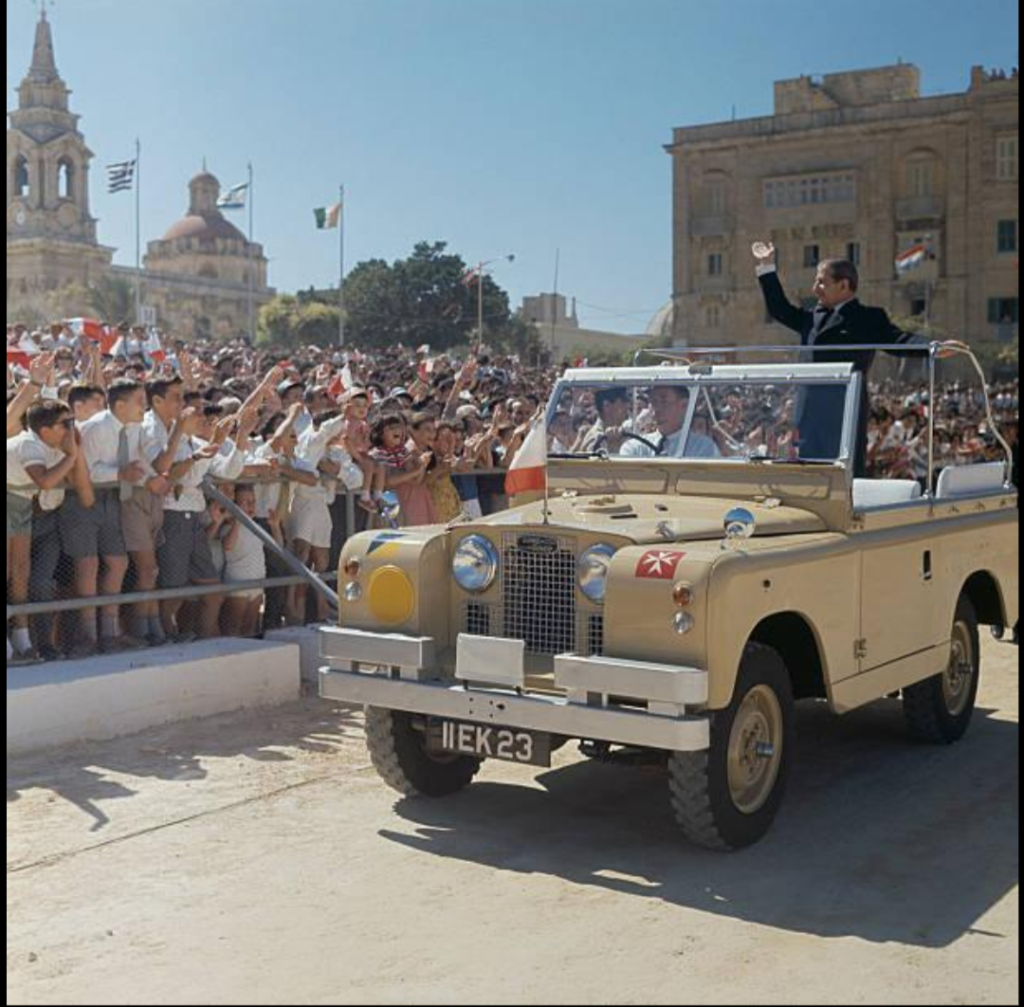
Every year on September 21, Malta celebrates Independence Day (Jum l-Indipendenza) — one of the most significant national holidays in the country’s modern history. On this day in 1964, the Mediterranean island nation gained independence from the United Kingdom after more than 150 years of British rule.
Malta became a British Crown Colony in 1814 after the Treaty of Paris. Its strategic location in the central Mediterranean made it a crucial naval base for the British Empire, especially during World War II, where Malta was heavily bombed but never surrendered.
Following the war, the push for self-determination grew stronger. After years of political negotiations, Malta was granted independence on September 21, 1964, becoming an independent constitutional monarchy within the Commonwealth, with Queen Elizabeth II as its head of state.
Malta later became a Republic on December 13, 1974, and saw the last British forces leave the island on March 31, 1979 — celebrated as Freedom Day.
How is Independence Day Celebrated?
September 21 is a public holiday across Malta and Gozo. The celebrations include:
Official Ceremony: The President of Malta lays a wreath at the Independence Monument in Floriana.-
Parades and Marches: Military parades and band marches in Valletta.-
Cultural Events:Concerts, fireworks displays over the Grand Harbour, and exhibitions showcasing Maltese history and culture.-
National Pride: Maltese flags fly across homes, schools, and public buildings.
Significance Today
Independence Day is not just about the end of colonial rule; it marks the beginning of Malta’s journey as a sovereign nation. Today, Malta is a proud member of the European Union, known for its rich history, tourism, and strong economy.
Malta Independence Day on September 21 is a reminder of the resilience and spirit of the Maltese people. For travelers and history lovers, it is a perfect moment to understand how a small island nation made a big mark on world history