
Scientists have uncovered new clues explaining why the human brain has a deeply folded surface while the brain of the common marmoset, a small South American monkey, remains relatively smooth. The findings offer fresh insights into how differences in brain development may have shaped the evolution of primates.
The research was conducted by scientists at the German Primate Center and published in the journal Science Advances in October 2026.
Why Are Human Brains Folded?
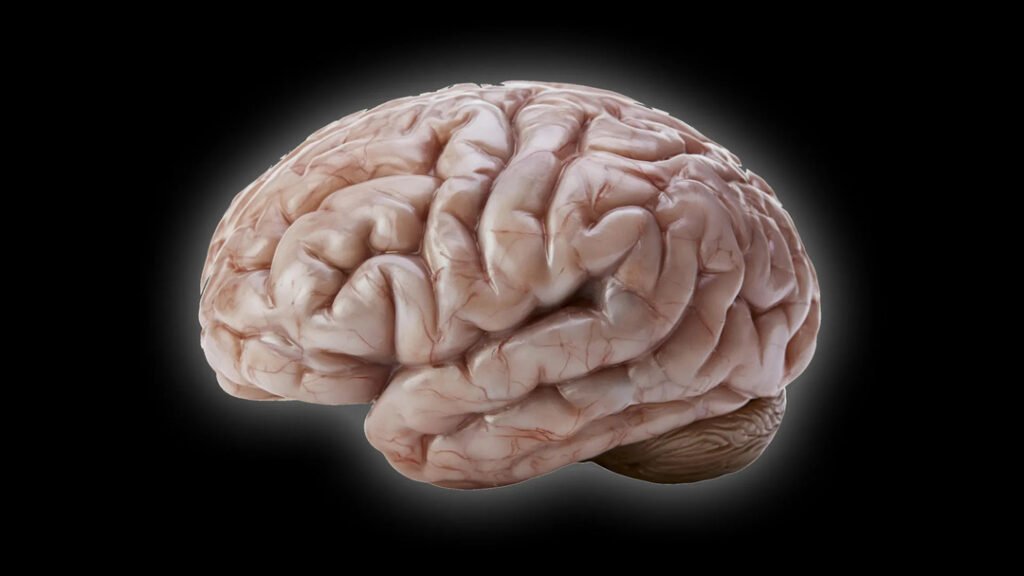
The human brain has ridges and grooves that increase the surface area of the cerebral cortex. This allows more neurons to fit within the skull and supports the brain’s complex functions.
Common marmosets, however, have much smaller brains with very few folds. Researchers wanted to understand which developmental differences lead to these contrasting brain structures.
Brain-Building Cells Hold the Answer
The team compared miniature brain-like structures, known as organoids, developed from human and marmoset cells. They focused on neural progenitor cells, which produce neurons during early brain development.
Researchers found that some of these cells in marmosets divide more slowly and have simpler structures than their human counterparts. Marmosets also have a shorter period during which these cells multiply rapidly.
Together, these differences limit neuron production and contribute to a smaller, smoother cerebral cortex.
What the Discovery Means for Human Brain Evolution
The findings suggest that major differences in brain size and folding can emerge from relatively subtle changes in how brain cells grow and develop.
By identifying these cellular processes, scientists can better understand how the brains of different primate species evolved. The research may also provide a foundation for studying human brain development and disorders that arise when these processes do not work as expected.
What Happens Next?
The study combines brain organoid experiments with selected tests using fetal marmoset brain tissue. Further research will be needed to establish how these findings relate to the full complexity of human brain development.
The discovery offers a clearer picture of how the timing, structure and growth of brain-building cells can influence the shape of the brain.