
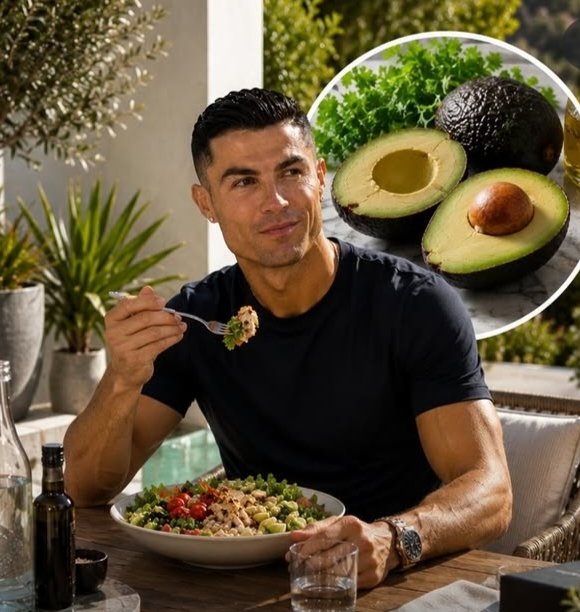
Aging is a natural process, but a balanced diet can play an important role in supporting overall health as people grow older. Foods rich in healthy fats, vitamins, minerals, antioxidants and other nutrients are commonly included in diets focused on healthy aging.
Avocado is one food often highlighted for its nutritional profile. It provides monounsaturated fats along with fiber and several vitamins and minerals. Other nutrient-dense choices such as leafy green vegetables, berries, nuts, seeds, tomatoes and legumes can also contribute to a balanced eating pattern.
Rather than relying on a single “anti-aging” food, nutrition experts generally emphasize variety and overall dietary quality. Eating a wide range of vegetables and fruits, choosing healthy sources of protein and including unsaturated fats can help support normal body functions.
Adequate hydration, regular physical activity, sufficient sleep and avoiding tobacco are also important components of healthy aging. While certain foods may provide nutrients associated with skin, heart and cellular health, no individual food can stop or reverse the aging process.

For people looking to improve their diet, focusing on minimally processed, nutrient-rich foods and maintaining appropriate portion sizes can be a practical approach. Individual nutritional needs can vary based on age, health status and lifestyle, so people with specific dietary concerns should consult a qualified healthcare professional.
No food can stop the natural aging process. However, a nutritious diet can support normal body functions and may contribute to maintaining cardiovascular health, muscle health and overall wellbeing as people age.
Lifestyle habits are equally important. Regular physical activity, adequate sleep, hydration, avoiding tobacco and maintaining a healthy weight can complement a balanced diet.
People should also be cautious about social-media claims promising dramatic anti-aging results from particular foods or supplements. Dietary needs differ from person to person, and anyone with a medical condition or specific nutritional requirement should seek advice from a qualified healthcare professional.