
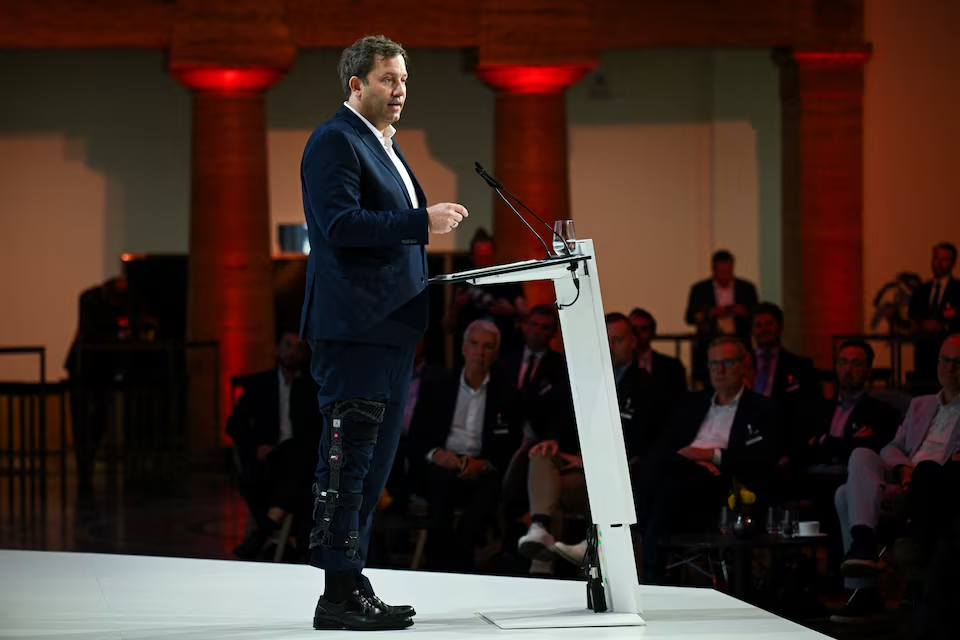
Germany’s Finance Minister Lars Klingbeil has cancelled the India leg of his Asian tour scheduled for this week, as political developments in Berlin put pressure on Chancellor Friedrich Merz’s coalition government.
The German Finance Ministry announced the cancellation on October 12, citing “current developments” in an emailed statement. Klingbeil had been scheduled to visit India before travelling to Thailand for international financial meetings.
Bärbel Bas Announces Resignation
The cancellation follows Labour Minister Bärbel Bas’s announcement that she would step down as labour minister and co-leader of the Social Democratic Party (SPD). Bas cited the death of her stepdaughter and the need to grieve, alongside mounting political attacks.
Her departure creates another challenge for the coalition government led by Chancellor Merz, which has faced political setbacks and disagreements over economic and pension reforms.
Klingbeil Condemns Attacks on Bas
Klingbeil, who leads the SPD alongside Bas, criticised the attacks directed at her during her period of mourning. He described the criticism as inappropriate and unacceptable.
The developments have added to pressure on the governing coalition as its partners navigate disagreements over domestic policy and Germany’s economic direction.
India Visit Was Expected to Focus on Economic Cooperation
Klingbeil’s planned India visit was expected to include discussions with Indian Finance Minister Nirmala Sitharaman and External Affairs Minister S. Jaishankar. He was also scheduled to participate in a financial roundtable and meet representatives from government, the financial sector and civil society.
India and Germany have been working to strengthen economic ties, trade and investment cooperation. The cancellation removes a scheduled opportunity for high-level discussions, although no further details about rescheduling were immediately available.
Thailand Meetings Remain Part of the Planned Tour
After the India leg, Klingbeil was scheduled to travel to Bangkok for the annual meetings of the International Monetary Fund and World Bank, alongside a G20 gathering of finance ministers and central bank governors.
The developments in Berlin highlight the domestic political pressures facing Germany’s coalition government and their potential impact on its international engagements.