
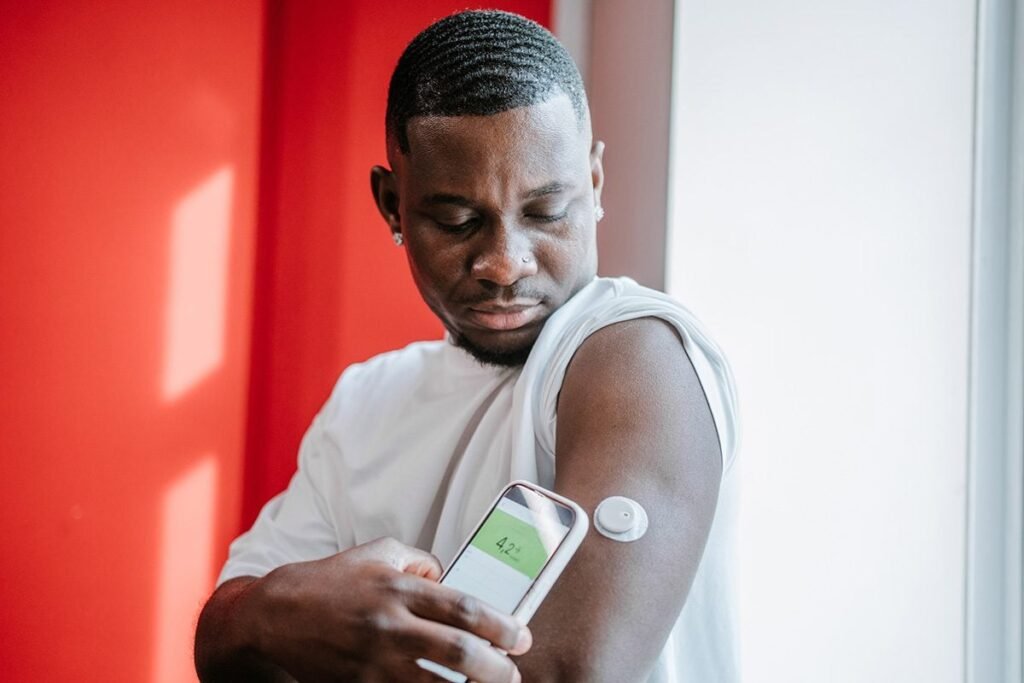
Glucose monitoring patches, once mainly associated with diabetes management, are becoming popular among health-conscious people who want to understand how their bodies respond to food, exercise and stress.
These small wearable devices, known as continuous glucose monitors (CGMs), track glucose levels throughout the day and send readings to a smartphone app. But while the technology can offer useful insights for some people, experts caution that healthy individuals may not necessarily benefit from monitoring every fluctuation.
What Are Glucose Monitoring Patches?
CGMs use a small sensor placed under the skin to measure glucose in the fluid surrounding cells. The device records readings regularly, allowing users to observe changes after meals, during exercise and at different times of the day.
For people with diabetes, particularly those who use insulin, these readings can help guide treatment and identify potentially dangerous highs or lows. Increasingly, however, people without diabetes are using the devices as part of wellness and fitness routines.
Why Are Healthy People Using Them?
Many users want to learn how their bodies respond to different foods and lifestyle habits. They may compare glucose readings after eating rice, bread or fruit, or observe how walking after a meal affects their levels.
Others use CGMs to support weight-management goals or make more informed decisions about exercise and meal timing. The appeal lies in receiving personalised, real-time information rather than relying only on general dietary advice.
However, an individual glucose response does not automatically determine whether a food is healthy or unhealthy.
Are Glucose Spikes Dangerous?
Blood glucose naturally rises after eating, particularly after meals containing carbohydrates. In people without diabetes, these fluctuations are generally part of normal metabolism.
A reading that rises temporarily does not, by itself, indicate diabetes or poor health. CGMs also measure glucose in interstitial fluid rather than directly in the blood, so readings can lag behind changes in blood glucose.
Experts say more research is needed to establish whether routinely tracking glucose improves long-term health outcomes in people who do not have diabetes.
Can Constant Monitoring Cause Problems?
For some users, watching every reading can lead to unnecessary worry about normal fluctuations. People may start avoiding nutritious foods simply because those foods cause a temporary rise in glucose.
Overemphasis on short-term readings can also encourage restrictive eating habits and distract users from other important aspects of health, including blood pressure, cholesterol, sleep, physical activity and overall dietary quality.
CGMs are not substitutes for medical tests and should not be used alone to diagnose diabetes or prediabetes.
Who Should Consider Using a CGM?
People with diabetes may benefit substantially from continuous glucose monitoring, depending on their treatment and individual circumstances. Some people with prediabetes or other specific medical needs may also be advised to use one under professional guidance.
For otherwise healthy individuals, routine screening with appropriate blood tests, such as fasting blood glucose or HbA1c, remains a more established way to assess diabetes risk.
The takeaway: Glucose monitoring patches can provide interesting information, but more data does not always mean better health. For most healthy people, balanced nutrition, regular exercise, adequate sleep and appropriate medical check-ups remain the foundations of long-term well-being.
This article is for general information and does not replace personalised medical advice.