
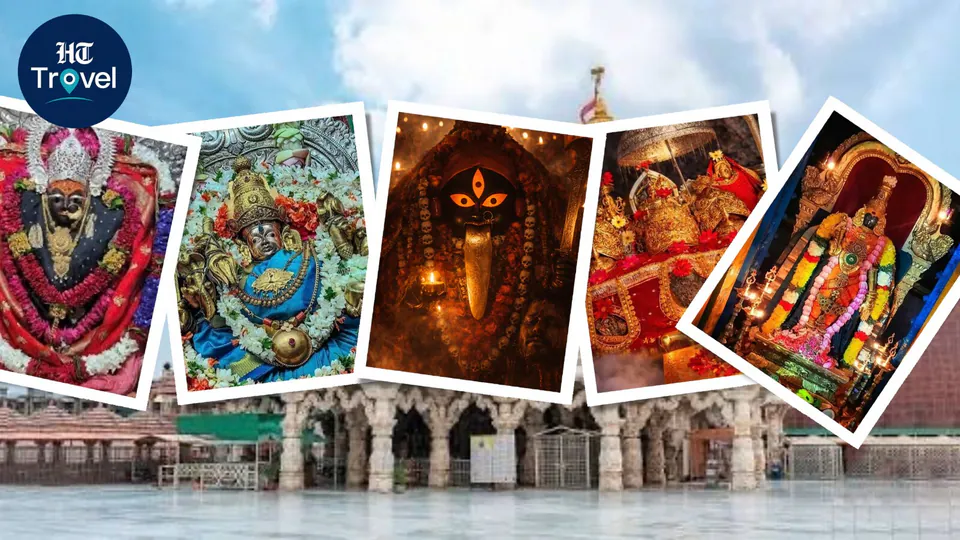
India is home to numerous temples dedicated to different forms of Goddess Shakti. From hilltop shrines and sacred caves to grand temple complexes, these destinations bring together religious traditions, architecture and local culture.
For devotees planning a spiritual journey, these nine Devi temples offer opportunities to experience India’s diverse traditions of Goddess worship while exploring destinations across the country.
Kamakhya Temple, Assam
Located on Nilachal Hill in Guwahati, Kamakhya Temple is one of India’s most revered Shakti Peethas. The shrine is associated with Goddess Shakti and is known for its distinctive form of worship.
The annual Ambubachi Mela attracts devotees from across India. Visitors can also explore Guwahati’s riverfront and surrounding cultural attractions.
Mata Vaishno Devi Temple, Jammu and Kashmir
Situated in the Trikuta Hills near Katra, the Mata Vaishno Devi shrine is among India’s most prominent pilgrimage destinations. Devotees undertake an uphill journey to reach the sacred cave and seek the Goddess’s blessings.
Katra serves as the main base for the pilgrimage, with facilities available for visitors planning the journey.
Jwala Ji Temple, Himachal Pradesh
Located in Kangra district, Jwala Ji Temple is famous for its naturally occurring flames, which devotees worship as manifestations of the Goddess.
Unlike shrines centred on a conventional idol, the flames are the focus of worship here. The temple can be included in a broader trip through Himachal Pradesh’s religious and scenic destinations.
Kalighat Kali Temple, West Bengal
Situated in Kolkata, Kalighat Kali Temple is a major shrine dedicated to Goddess Kali. It has a longstanding place in the city’s religious life and is traditionally recognised as a Shakti Peetha.
Travellers can combine a visit with Kolkata’s historic neighbourhoods, markets and celebrated food culture.
Meenakshi Amman Temple, Tamil Nadu
Madurai’s Meenakshi Amman Temple is renowned for its towering, intricately sculpted gopurams and vibrant temple traditions. Dedicated to Goddess Meenakshi and Lord Sundareswarar, it is one of Tamil Nadu’s most recognisable religious landmarks.
The temple is an essential stop for visitors interested in South Indian architecture, history and spiritual heritage.
Ambaji Temple, Gujarat
Located in Banaskantha district, Ambaji Temple is dedicated to Amba Mata and attracts pilgrims throughout the year. The main shrine is distinctive because it does not contain a conventional idol.
The temple is an important destination for devotees of Shakti and can be included in a wider journey through northern Gujarat.
Mahalakshmi Temple, Maharashtra
The Mahalakshmi Temple, also known as Ambabai Temple, is located in Kolhapur. Dedicated to Goddess Mahalakshmi, the shrine is closely associated with the region’s religious traditions.
Visitors can also explore Kolhapur’s local markets and sample its well-known regional cuisine.
Chamundeshwari Temple, Karnataka
Perched on Chamundi Hills near Mysuru, Chamundeshwari Temple honours a powerful form of Goddess Durga. Its elevated location provides views of the surrounding city and countryside.
The shrine pairs naturally with a Mysuru itinerary that includes the city’s palace, heritage buildings and cultural attractions.
Maa Sharda Devi Temple, Madhya Pradesh
Located on Trikuta Hill in Maihar, Maa Sharda Devi Temple is dedicated to Goddess Sharda, associated with Saraswati. The shrine draws devotees from Madhya Pradesh and neighbouring states.
The hilltop setting makes the visit a distinctive part of a spiritual journey through central India.
Planning a Devi Temple Journey
These nine temples span several regions of India, each offering its own traditions, architecture and pilgrimage experience. Travellers should check local temple timings, festival crowds, access arrangements and any dress or photography rules before visiting.
Rather than trying to cover every destination in one trip, consider choosing temples within the same region. This makes it easier to plan travel while allowing enough time to experience each shrine respectfully.