
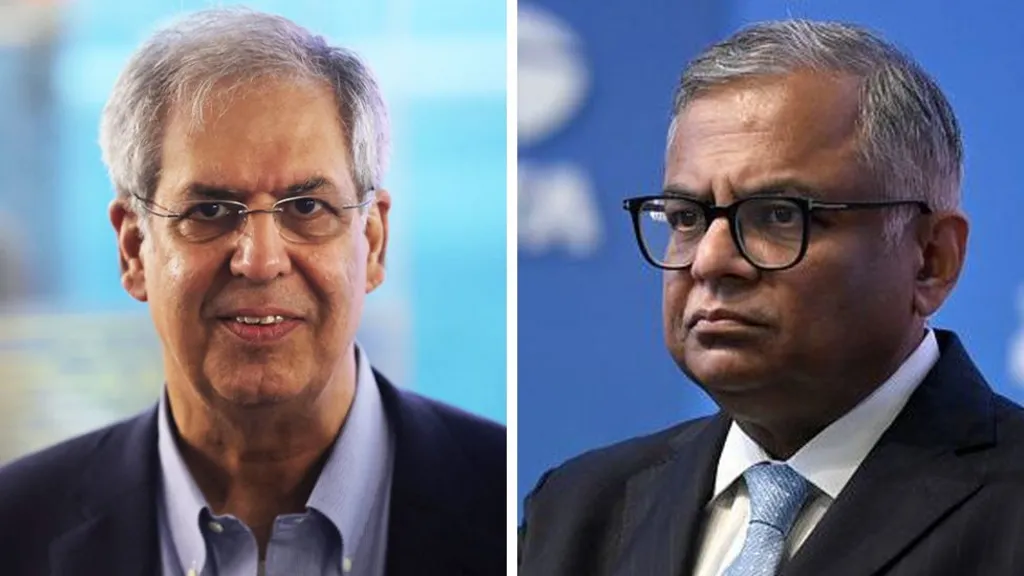
The Tata Group, one of India’s most respected business conglomerates, is facing growing scrutiny as a dispute between Tata Sons and Tata Trusts raises questions about leadership, corporate governance and the future of its legacy.
For millions of Indians, the Tata name represents reliability, ethical business practices and social responsibility. From Tata Salt in household kitchens to Tata Consultancy Services in the technology sector, the group’s reputation has been built over generations. However, an increasingly public disagreement among its key stakeholders is putting that image under pressure.
A Dispute at the Heart of the Tata Empire
The conflict centres on Tata Sons, the group’s principal holding company, and Tata Trusts, the philanthropic organisation that holds a majority stake in Tata Sons. The two entities have historically worked together to balance commercial growth with the group’s charitable commitments.
Recent disagreements over corporate decisions and governance have exposed differences between the holding company’s board and its principal shareholder. The dispute has also brought questions about leadership and decision-making into the public domain.
Noel Tata’s Position on Listing and Leadership
Noel Tata, chairman of Tata Trusts, has opposed proposals supported by most of the Tata Sons board, including a proposed public listing and the reappointment of chairman N. Chandrasekaran.
A stock market listing could introduce additional scrutiny and provide a route for some shareholders to realise the value of their holdings. However, concerns have been raised about whether such a move could affect the group’s existing structure and philanthropic priorities.
Noel Tata has also reportedly proposed a buyback of part of the Shapoorji Pallonji Group’s minority stake in Tata Sons, alongside a restructuring proposal that could affect the company’s regulatory classification. These proposals form part of the wider debate over the group’s ownership and future direction.
Ratan Tata’s Legacy Looms Large
The death of former chairman Ratan Tata in October 2024 marked a significant moment for the conglomerate. His leadership, philanthropy and international expansion had made him one of India’s most recognisable business figures.
His passing also left questions about succession and the balance of influence among the group’s key stakeholders. Business observers have suggested that his personal standing helped maintain unity across the organisation, making the current disagreements more visible.
A History of Corporate Disputes
The Tata Group has faced major controversies before. In 2016, Tata Sons removed Cyrus Mistry as chairman, triggering a prolonged legal battle between the two sides. The dispute eventually reached the Supreme Court, which ruled in favour of Tata Sons in 2021.
The group has also experienced challenges involving international acquisitions, industrial projects and business partnerships. Despite these episodes, its reputation has remained closely associated with long-term investment, philanthropy and professional management.
Why Public Trust Matters
Brand experts say the current dispute is significant because the Tata name carries value beyond its commercial operations. The group’s involvement in healthcare, education, employment and community development has helped establish a connection with consumers and employees.
Products such as Tata Salt benefit from decades of familiarity and trust, while its technology, automotive and industrial businesses rely on relationships with clients, investors and business partners.
Although the immediate impact on consumer behaviour remains uncertain, prolonged public disagreements could create questions among stakeholders about the group’s governance and leadership.
The Road Ahead for the Tata Group
The outcome of the dispute could influence Tata Sons’ ownership structure, its relationship with Tata Trusts and the group’s approach to future leadership decisions.
The challenge will be to resolve differences while maintaining transparency and confidence among employees, investors, customers and the wider public. The group has previously navigated major corporate disputes, but the current conflict is particularly sensitive because it involves the institutions responsible for preserving its legacy.
For the Tata Group, the stakes extend beyond boardroom control. Its ability to manage the disagreement constructively may shape how future generations view one of India’s most influential business names.