
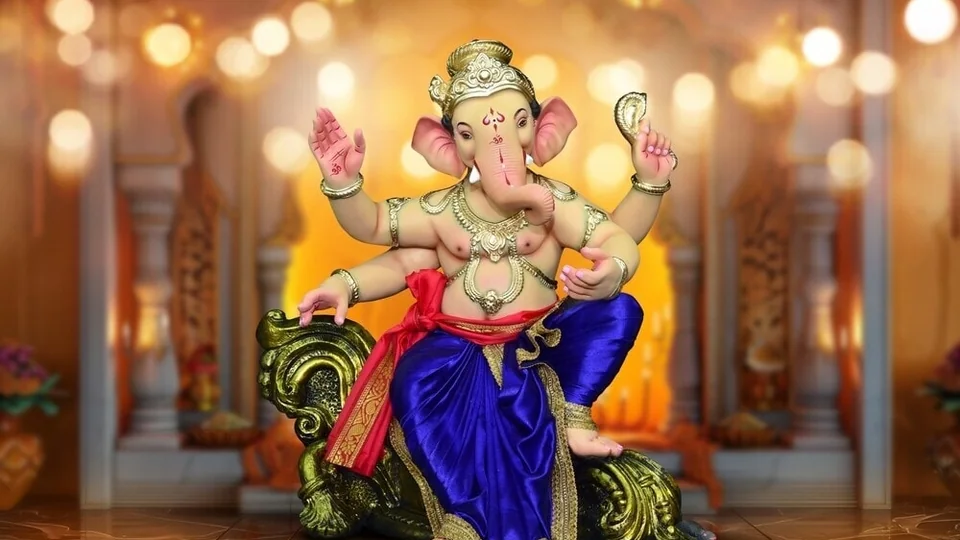
Ganesh Chaturthi is celebrated with prayers, modaks, decorations and the arrival of Lord Ganesha into homes and public pandals. But the festival also carries an intriguing tradition: devotees are traditionally advised to avoid looking at the Moon on Ganesh Chaturthi.
In 2026, Ganesh Chaturthi falls on September 14, and the Moon-related belief once again becomes part of the festival conversation.
The Story Behind the Moon
According to a popular Hindu tradition, Chandra, the Moon god, once laughed at Lord Ganesha’s appearance. Ganesha became upset by the mockery and cursed the Moon.
The story is traditionally connected with the belief that seeing the Moon on Ganesh Chaturthi could bring false accusations or unwanted blame, a concept often described as Mithya Dosha.
Why Is It Called Kalank Chaturthi?
Because of this association with false allegations, Ganesh Chaturthi is also known in some traditions as Kalank Chaturthi.
The word kalank refers to blame, stigma or an allegation that damages someone’s reputation. The mythology therefore turns an unusual festival rule into a larger lesson about how quickly appearances and accusations can affect a person’s image.
The Krishna Connection
The story becomes even more significant through a traditional account involving Lord Krishna.
According to the belief, Krishna accidentally saw the Moon on Chaturthi and subsequently faced an accusation connected with the Syamantaka jewel. The story is therefore remembered as an example of how a person can become caught in an allegation despite being innocent.
A Lesson About Pride and Mockery
Beyond the ritual, the Ganesha-Moon story can be interpreted as a reminder about humility.
The Moon’s mockery of Ganesha represents pride and the tendency to judge others by appearance. Ganesha’s response, meanwhile, becomes part of a story about consequences, forgiveness and restoring balance.
What the Tradition Symbolises Today
For devotees, the tradition is not simply about avoiding the Moon. It can also serve as a reminder to be careful about judging people, spreading rumours or accepting accusations without knowing the truth.
In that sense, an ancient festival story continues to offer a message that remains relevant in everyday life.
Ganesh Chaturthi 2026
Ganesh Chaturthi begins on September 14, 2026, with devotees installing Ganesha idols and offering prayers. The festival traditionally continues for several days before concluding with Ganesh Visarjan.
The Moon story adds another layer to the celebration, connecting mythology with ideas of humility, reputation and responsible behaviour.