
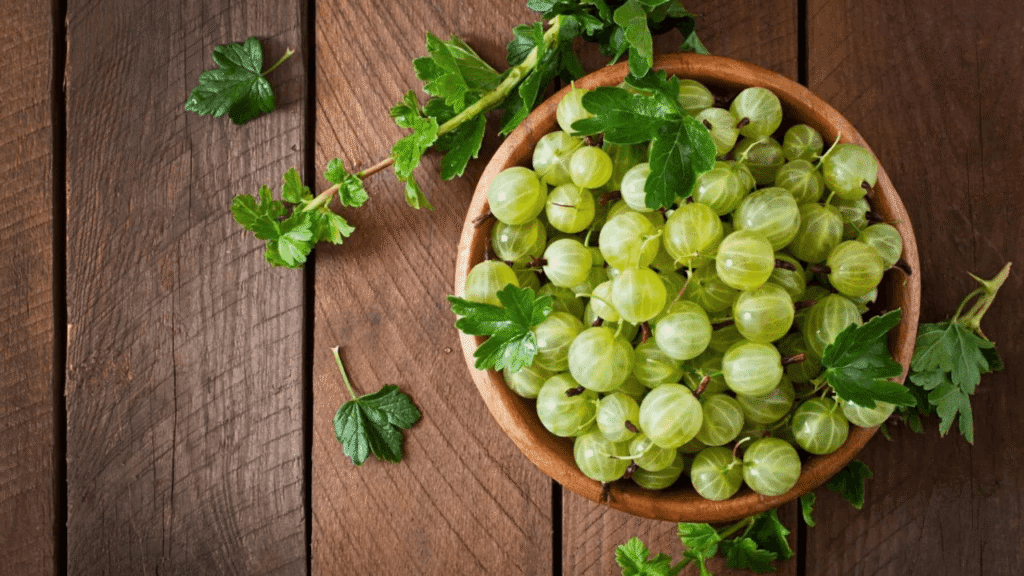
When winter arrives, amla becomes a familiar sight in Indian markets. From murabba and pickles to juices, candies and powders, the tart green fruit is used in many forms. But there is one place in India where amla is much more than a seasonal ingredient.
Pratapgarh in Uttar Pradesh is widely known as the Amla Capital of India. The district administration itself describes Pratapgarh as a leading producer of aonla, or Indian gooseberry.
Why Is Pratapgarh Famous for Amla?
Pratapgarh has a long association with aonla cultivation and has developed a large farming ecosystem around the fruit. Government data and reports identify the district as a major amla production centre in Uttar Pradesh.
A study by the Ministry of Food Processing Industries identified Pratapgarh as a significant amla cluster, with more than 17,000 hectares under cultivation in the 2018–19 data cited in the report.
From Fresh Fruit to Popular Products
Amla grown in Pratapgarh does not remain limited to fresh-fruit markets. Local businesses process it into a variety of products, including amla candy, murabba, juice, pickle, powder and laddoo.
Processing gives the fruit a longer shelf life and allows businesses to sell amla products throughout the year rather than depending entirely on the fresh harvest season.
Pratapgarh Amla Has a GI Identity
The region’s amla also has geographical recognition. Pratapgarh Amla received a Geographical Indication (GI) registration in 2023, giving the locally grown produce a distinct identity in the marketplace.
GI recognition can help distinguish products associated with a particular region and support their branding and market visibility.
How Amla Supports the Local Economy
The importance of amla in Pratapgarh extends beyond farming. Processing, packaging, transportation and marketing have created a wider economic network around the crop.
The state’s One District One Product (ODOP) initiative has also focused on strengthening processing and marketing of Pratapgarh’s signature product. Reports have highlighted the involvement of local businesses and women-led self-help groups in making and packaging amla-based products.
More Than Just a Winter Fruit
Amla is deeply connected with Indian food traditions and is consumed in many different forms. Its naturally sour and astringent taste makes it suitable for both sweet and savoury preparations.
In Pratapgarh, however, the fruit represents something larger. It connects agriculture with traditional food products, local entrepreneurship and regional identity.
The City Behind India’s Amla Story
Pratapgarh’s reputation as the Amla Capital of India comes from its long-standing cultivation of aonla and the growing ecosystem built around processing and selling it.
What begins as a small green fruit in the orchard can eventually become candy, juice, pickle, murabba or powder on a shop shelf. That journey has made amla an important part of Pratapgarh’s food culture and local economy.