
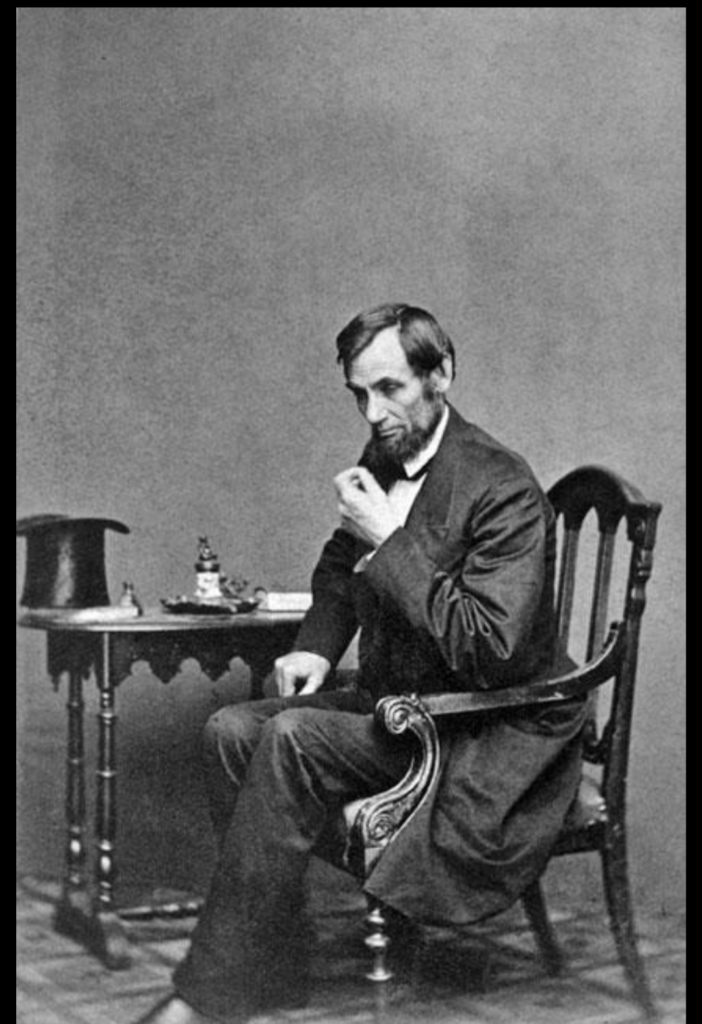
On September 22, 1862, U.S. President Abraham Lincoln issued the Preliminary Emancipation Proclamation, a landmark document that set the stage for the formal end of slavery in the Confederate states. Issued just five days after the Union victory at the Battle of Antietam, the proclamation declared that all enslaved people in states or parts of states still in rebellion against the United States would be “then, thenceforward, and forever free” as of January 1, 1863.
When the Civil War began in 1861, Lincoln initially framed the conflict as a struggle to preserve the Union rather than a direct fight against slavery. Although he personally opposed slavery, he moved cautiously, concerned about alienating the border states that remained loyal to the Union while still permitting slavery, and about maintaining broad public and political support.
By the summer of 1862, however, the pressure for a stronger moral and military stance had grown. Lincoln informed his cabinet of his intention to issue an emancipation order but waited for a significant Union military success before announcing it. The bloody Battle of Antietam (September 17, 1862) provided that opportunity, even though it was not a decisive strategic victory.
The war would continue to be prosecuted for the purpose of restoring the constitutional relationship between the United States and the states in rebellion.
On January 1, 1863, all persons held as slaves in any state (or designated part of a state) still in rebellion would be forever free.
The executive government of the United States, including its military and naval forces, would recognize and maintain that freedom.
States that by January 1 were represented in good faith in Congress (through elections in which a majority of qualified voters participated) would be presumed not to be in rebellion, unless strong contrary evidence existed.
Lincoln also reiterated his earlier recommendation of financial aid to loyal slave states willing to adopt gradual or immediate abolition, and continued support for voluntary colonization efforts for freed people (with their consent).
The proclamation applied only to areas still under Confederate control. It did not free enslaved people in the border states (Delaware, Maryland, Kentucky, and Missouri) or in parts of the Confederacy already under Union occupation.
The Preliminary Emancipation Proclamation transformed the character of the Civil War. What had begun primarily as a war to save the Union became explicitly a war against slavery. It discouraged European powers, particularly Britain and France, from recognizing or intervening on behalf of the Confederacy. It also opened the door for the enlistment of Black soldiers in the Union Army and Navy, with nearly 200,000 eventually serving.
Exactly 100 days later, on January 1, 1863, Lincoln issued the final Emancipation Proclamation, formally declaring freedom for enslaved people in the rebellious states and directing the armed forces to enforce it.
Although the proclamation itself did not immediately free all enslaved people in the United States (full abolition required the 13th Amendment in 1865), it remains one of the most significant documents in American history — a bold exercise of presidential war powers that advanced the cause of human freedom.
Today, the anniversary of September 22, 1862, is remembered as the moment when the United States took a decisive step toward ending the institution of slavery.