
A fragile sugar delivered to early Earth by meteorites may have played an unexpected role in the chemistry that eventually helped life emerge. New research suggests ribose, an important component of RNA, may have helped create conditions that allowed it to survive on the young planet.
Why Ribose Matters
Ribose forms part of the molecular backbone of RNA, which stores genetic information and performs important biological functions. However, the sugar is fragile and can break down under heat, creating a challenge for theories about the origin of life.
Boron May Have Protected the Sugar
Scientists found that borate, a form of boron, can bind with ribose and help prevent its breakdown. The new experiments also showed that ribose can help borate minerals dissolve, keeping more boron available in water.
Clues From India’s Puga Hot Springs
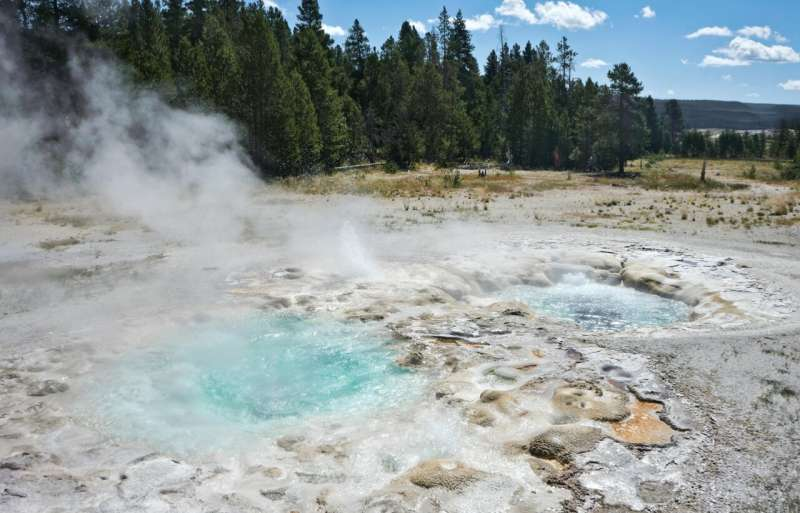
Researchers studied natural borate minerals from the Puga hot springs in the Himalayas, where boron-rich deposits occur naturally. The site provides a modern environment for studying chemical processes that could resemble some conditions on ancient Earth.
Meteorites and the Origin of Life
Meteorites may have delivered water and carbon-containing molecules to early Earth. Scientists have also found ribose and other biologically important sugars in extraterrestrial materials, including samples from asteroid Bennu.
A New Piece of the Puzzle
The findings do not explain the origin of life by themselves, but they reveal how sugars and minerals may have interacted before biology existed. Such chemistry could help scientists better understand how simple molecules gradually became part of more complex systems.