
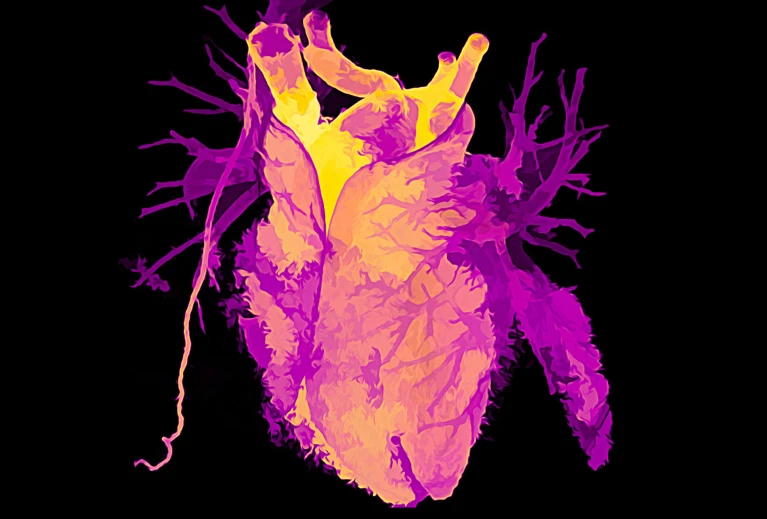
A new study has raised an intriguing possibility about ageing: a transplanted heart may not retain its biological age permanently. Researchers found evidence that donor hearts can become biologically more similar to the age of the person receiving them.
What Scientists Found
Researchers led by ageing scientist Jesse Poganik studied transplanted hearts in mice of different ages. They found that younger hearts placed in older animals showed signs of faster biological ageing, while older hearts transplanted into younger animals showed signs associated with a younger biological age.
The Role of Biological Age
Biological age is different from the number of years a person has lived. It refers to changes and damage that accumulate in cells over time.
The researchers examined DNA methylation, a chemical process that can provide clues about biological ageing, to track how the transplanted heart changed after entering a new body.
Evidence From Human Transplants
The scientists also examined biopsy samples from 11 historical heart transplants involving substantial differences between donor and recipient ages.
The results showed a pattern similar to the mouse experiments: the biological age of transplanted hearts appeared to move closer to that of their new hosts.
Why the Finding Matters
Heart transplantation is limited by the availability of suitable donor organs. Donor age is one factor considered when assessing organs for transplantation.
If further research confirms that transplanted organs can adapt biologically to their new environment, it could eventually influence how scientists think about donor-organ ageing and transplant eligibility.
The Body May Influence an Organ’s Age
The findings suggest that ageing may not be determined entirely by what happens inside an individual organ.
Factors associated with the recipient’s body could influence biological processes inside the transplanted heart. Researchers are investigating how the surrounding environment, including circulation and other biological signals, might contribute to these changes.
Important Limitations
The research is still preliminary. The study reported by Nature is based on a preprint that has not yet undergone peer review, and the human analysis involved only a small number of transplant samples.
That means the findings should not yet be interpreted as proof that transplanted hearts can simply be “rejuvenated” or that donor-age guidelines should immediately change.
A New Window Into Ageing
The research adds to a growing scientific effort to understand ageing as a process influenced by interactions between organs and their surrounding environment.
Further studies could reveal whether similar biological-age changes occur in other transplanted organs and which factors inside the recipient are responsible for the effect.