
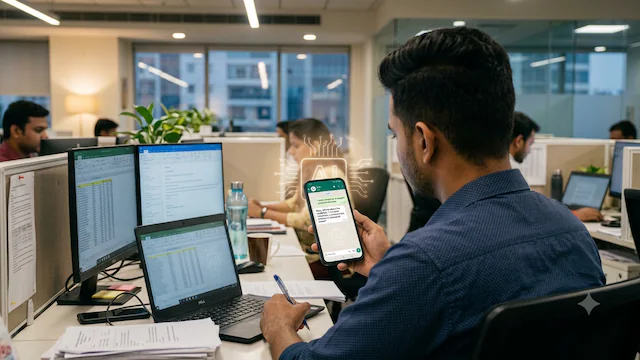
Artificial intelligence is increasingly being used by young people for writing, studying, everyday decisions and emotional support. While AI chatbots can make tasks easier, mental health experts are raising concerns about what happens when people begin relying on them too heavily.
The concern is not simply how often someone uses AI, but whether they feel unable to think, work or manage emotions without it.
Why Young People Are Turning to AI
AI chatbots offer quick answers and personalised conversations, making them appealing to digitally connected young people. Some users also find it easier to discuss private concerns with a chatbot than with friends, family or professionals.
However, a response that sounds confident and reassuring is not always accurate. Trust developed through simple tasks can also influence how users approach sensitive questions about relationships and emotional well-being.
When AI Use Becomes Dependence
Using AI regularly does not automatically mean someone is addicted. Concern grows when chatbot use starts replacing human interaction or becomes a constant source of reassurance and validation.
Experts warn that some users may increasingly turn to AI instead of speaking to people, making independent decisions or learning to handle uncertainty. Over time, this pattern could affect relationships and emotional resilience.
Could AI Affect Creativity and Independent Thinking?
AI can help people brainstorm, organise ideas and improve their writing. But relying on it to do most of the thinking may reduce opportunities to practise problem-solving, critical analysis and creative expression.
For students and young professionals, the key is to use AI as a support tool rather than a substitute for learning. Questioning its answers, checking information and developing ideas independently can help preserve these skills.
Warning Signs to Watch For
Potential warning signs include neglecting sleep or responsibilities to spend time with chatbots, withdrawing from friends and family, feeling distressed without access to AI, or repeatedly seeking its approval before making everyday decisions.
The impact on daily life matters more than screen time alone. If dependence begins affecting relationships, work or emotional well-being, professional guidance may be helpful.
Why India Needs to Pay Attention
With AI becoming more accessible, India needs greater awareness of both its benefits and limitations. Schools, colleges and families can help young people develop responsible digital habits and understand when a chatbot cannot replace human support.
AI may help people begin conversations about mental health, but it should not be treated as a substitute for qualified professionals, diagnosis or treatment.
Using AI Without Losing Human Connection
The goal is not to reject artificial intelligence, but to use it thoughtfully. People can benefit from AI while continuing to nurture friendships, make independent choices and seek professional help when needed.
As chatbots become part of everyday life, maintaining a balance between digital assistance and real-world relationships will be essential.