
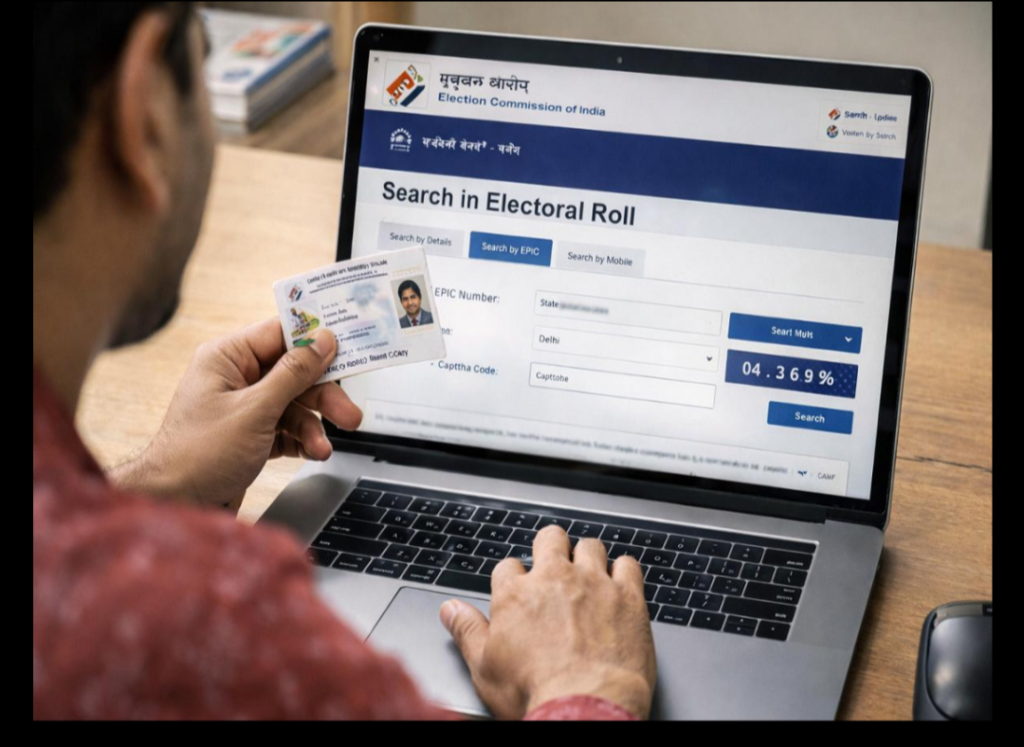
The Special Intensive Revision (SIR) of electoral rolls in Delhi has snowballed into a major political controversy after notices were issued to nearly 33 lakh voters, including several high-profile political figures and senior officials
According to the Delhi Chief Electoral Officer, of the approximately 97.5 lakh electors included in the draft rolls published on August 31, around 33.13 lakh were flagged for discrepancies. These fall mainly into two categories: “no mapping” (about 13.79 lakh cases where current details could not be linked to the previous SIR of 2002) and “logical discrepancies” (about 19.33 lakh cases involving issues such as name mismatches, age inconsistencies or parental details).
Prominent Names on the List
Among those who received notices are:
Delhi Chief Minister Rekha Gupta (later cleared after document verification related to an age discrepancy with parents)
Former Delhi Chief Minister and AAP national convenor Arvind Kejriwal and members of his family (under “no mapping”)
External Affairs Minister S. Jaishankar and his wife
BJP veteran and former Deputy Prime Minister L.K. Advani and some family members
Former Vice-President Jagdeep DhankharFormer Delhi Deputy Chief Minister Manish Sisodia
Election Commissioner S.S. Sandhu
Several other senior bureaucrats, former judges, and political figures
The Election Commission and Delhi CEO have clarified that receiving a notice does not mean automatic deletion from the voter list. Voters have the opportunity to submit documents and appear for hearings. The notice-and-disposal process is scheduled to continue until October 29, with the final electoral roll due for publication on November 4.
The inclusion of opposition leaders such as Arvind Kejriwal triggered sharp criticism from the Aam Aadmi Party, which alleged the exercise was being misused. Ruling side representatives and the poll body have defended the process as a standard verification drive aimed at purifying the electoral rolls.
A petition challenging aspects of the Delhi SIR has also been listed for hearing in the Supreme Court, adding to the political heat.
The large number of notices — roughly one-third of the draft roll — has drawn public attention precisely because it includes politicians across parties, constitutional functionaries, and senior officials, underscoring that the exercise is data-driven rather than selective.
Voters who have received notices are advised to check the lists on the Delhi CEO website, prepare supporting documents (birth certificates, previous voter ID details, address proofs, etc.), and respond within the given timelines to ensure their names remain on the final roll.