
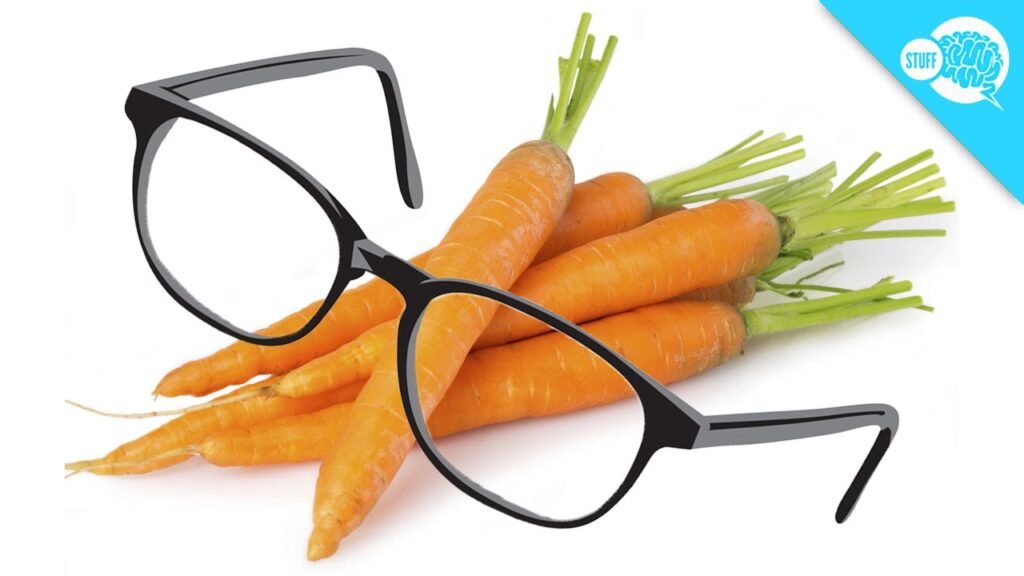
Carrots have long been associated with healthy eyesight, largely because they contain beta-carotene, a nutrient that the body can convert into vitamin A. Vitamin A plays an important role in normal eye function and vision, particularly in low-light conditions.
However, the popular claim that simply eating carrots can reduce or cure eye strain needs some clarification. Eye strain can occur after prolonged periods of reading, computer use, smartphone use or focusing on one object for a long time. The National Eye Institute recommends giving the eyes regular breaks, including the 20-20-20 rule—every 20 minutes, look at something about 20 feet away for 20 seconds.
Carrots can still be part of a balanced diet that supports overall eye health. But they are not a substitute for proper eye care, adequate nutrition or an eye examination when persistent symptoms occur. A varied diet containing vegetables and other nutrient-rich foods is generally encouraged for maintaining healthy vision.
So, the viral message “Eye Strain Eat Carrots” contains a kernel of truth about nutrition and eye health, but it should not be interpreted as a medical treatment for eye strain. If tired eyes, blurred vision, headaches or discomfort continue, getting an appropriate eye examination can help identify the underlying cause.

The connection between carrots and eyesight mainly comes from their beta-carotene content. Once converted into vitamin A, this nutrient contributes to normal visual function.A balanced diet that includes vegetables such as carrots can therefore contribute to overall nutritional support for eye health. But this does not mean that eating extra carrots will automatically improve vision or remove eye strain.
The benefits are particularly relevant when someone has an inadequate intake of vitamin A. Severe vitamin A deficiency can affect vision, although this is different from the temporary eye fatigue commonly experienced after prolonged screen use.
For many people, eye discomfort is connected to prolonged digital-device use. Symptoms may include tired eyes, dryness, blurred vision, headaches or difficulty maintaining comfortable focus.People often blink less frequently when concentrating on screens, which can contribute to dry or uncomfortable eyes.
Glare, poor lighting, an inappropriate viewing distance and taking too few breaks can also make screen-related discomfort worse.This is why simply adding carrots to the diet may not address the actual cause of the problem.
The popular message “Eat carrots for better eyesight” has a nutritional basis because carrots contain beta-carotene, which the body can convert into vitamin A. But the idea that carrots alone can reduce or cure eye strain is an oversimplification.
For people spending long hours on phones and computers, a combination of healthy eating, regular screen breaks, comfortable viewing conditions and appropriate eye care is more practical than relying on a single food.
So, enjoy carrots as part of a balanced diet—but if your eyes are constantly tired or uncomfortable, taking regular breaks and getting professional eye care when needed may be more important than simply eating another carrot.