
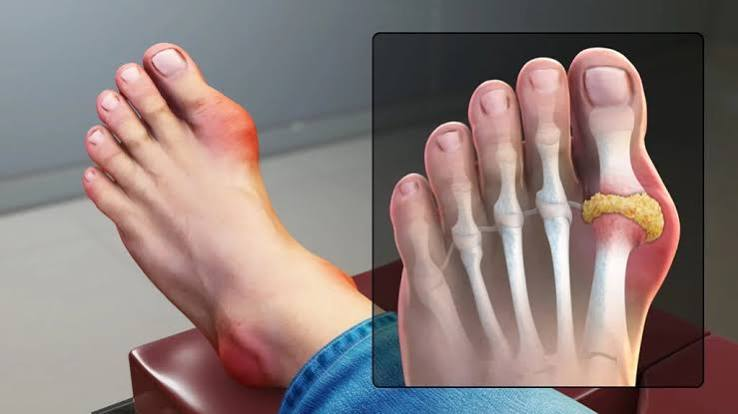
Sudden joint pain, swelling and redness can sometimes signal gout, a form of inflammatory arthritis associated with a buildup of uric acid in the body. The condition is more common in men and often develops during middle age, although it can affect people of different ages.
Recognising the symptoms and seeking timely medical care can help prevent repeated attacks and reduce the risk of long-term joint damage.
1. What Is Gout?
Gout develops when urate, formed as the body breaks down substances called purines, accumulates and forms needle-shaped crystals in and around the joints. This triggers inflammation, often causing sudden and intense pain.
Although elevated uric acid levels increase the risk, not everyone with high levels develops gout.
2. Common Symptoms to Watch For
Gout attacks often begin suddenly, sometimes at night. The affected joint may become extremely painful, swollen, red and warm to the touch.
The big toe is a common site, but gout can also affect the ankles, knees, wrists, fingers and elbows. Symptoms may improve within one or two weeks, but further attacks can occur if the condition is not properly managed.
3. Why Are Men More Likely to Develop Gout?
Gout is more common in men, particularly during middle age. However, gender is only one of several risk factors.
Family history, increasing age, obesity, high blood pressure, kidney disease and certain medications can also increase the likelihood of developing the condition. Alcohol consumption and frequent intake of sugary drinks may contribute to the risk.
4. Foods and Drinks That May Increase Risk
Certain dietary habits can contribute to gout flare-ups in susceptible people. Red meat, organ meats and some seafood are rich in purines, while alcohol and sugar-sweetened beverages can also increase risk.
A balanced eating pattern that includes vegetables, fruits, whole grains and appropriate sources of protein can support overall health. People with gout should discuss individual dietary changes with their healthcare professional rather than relying on restrictive diets alone.
5. Lifestyle Habits That May Help
Several habits may help reduce the risk of future gout attacks:
- Stay hydrated: Drink water regularly unless your doctor has advised you to restrict fluids.
- Maintain a healthy weight: If weight loss is needed, aim for gradual, sustainable changes rather than crash diets.
- Limit alcohol and sugary drinks: These can contribute to gout risk and may trigger attacks.
- Choose balanced meals: Limit foods that have triggered symptoms and follow personalised dietary advice.
- Exercise regularly: Choose activities suited to your fitness and joint health, avoiding pressure on an actively painful joint.
Lifestyle changes can help, but they may not be sufficient on their own for people with recurrent or severe gout.
6. Diagnosis and Treatment
A doctor may assess symptoms, medical history and uric acid levels. In some cases, joint-fluid testing or imaging may be needed to confirm the diagnosis or rule out other conditions.
Treatment may include medicines to control inflammation during an attack and urate-lowering medication to prevent future episodes. These medicines should be used under medical supervision. Do not stop prescribed treatment simply because the pain has subsided.
7. When Should You Seek Medical Help?
Anyone experiencing a first episode of sudden, severe joint pain and swelling should seek medical assessment. A hot, swollen joint accompanied by fever or chills needs urgent evaluation because a joint infection can cause similar symptoms.
Early diagnosis and appropriate treatment can help people with gout remain active and reduce the risk of lasting joint damage.
Health note: This article is for general information and is not a substitute for professional medical advice.