
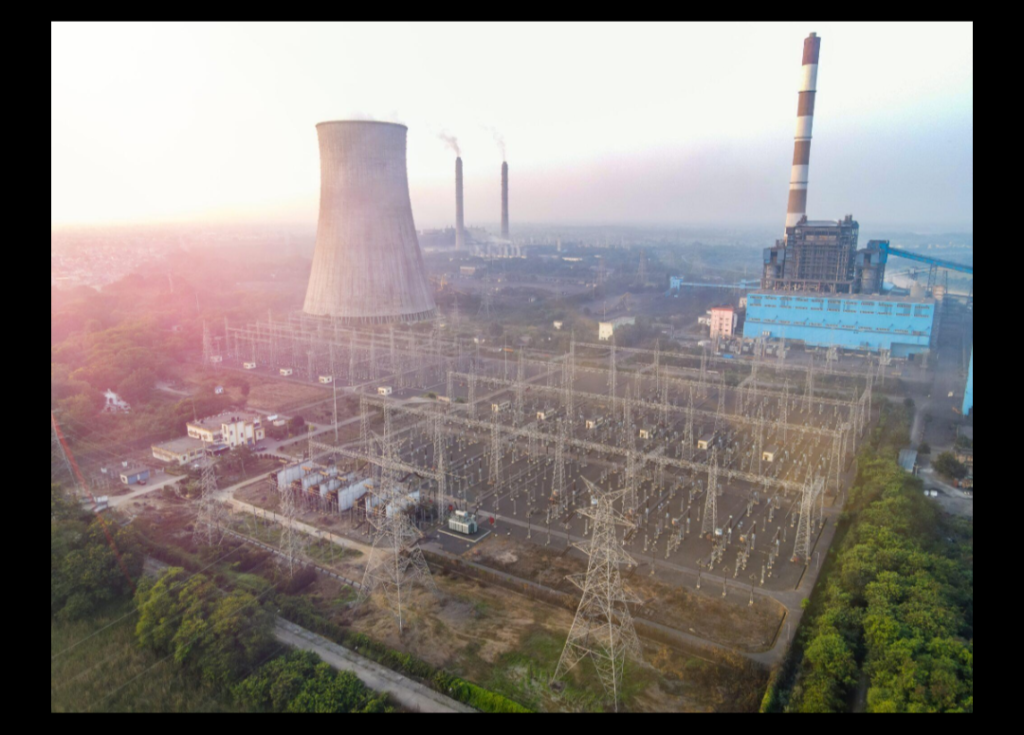
Hyderabad, October 6, 2026 – Concerns over electricity supply are mounting in Telangana as power demand continues to rise sharply, while coal stocks at thermal power stations remain critically low and hydel generation stays under pressure due to depleting reservoir levels.
Peak-hour demand touched 19,982 MW on September 30, significantly higher than the usual daily consumption of around 15,000 MW. Daily electricity consumption currently ranges between 315 and 330 million units. Of this, TGGENCO contributes about 107 million units, Singareni around 25 million units, and NTPC approximately 65 million units, with the state relying heavily on emergency power purchases of 120–130 million units per day.
Coal availability is a major bottleneck. Against the required minimum storage of 20.63 lakh metric tonnes, only about 5.57 lakh tonnes is currently available across plants. Key stations face high daily coal requirements: Kothagudem needs around 24,000 tonnes, Kakatiya 4,500 tonnes, Bhadradri 15,000 tonnes, and Yadadri 34,000 tonnes. Generally, thermal plants should maintain 21 days of coal reserves, but current stocks fall well short of this norm.
An 800 MW unit at the Yadadri Thermal Power Station has remained closed for about a week, and generation from roughly 1,870 MW of capacity across three stations has been impacted. Hydel output has also declined due to lower water levels in major reservoirs, a situation exacerbated by deficient monsoon rainfall linked to El Niño conditions earlier in the season.
The state government has initiated contingency measures. The Cabinet recently resolved to procure sufficient power to meet demand and ensure uninterrupted supply. It approved proposals for new projects with a combined capacity of around 7,800 MW, including 3,000 MW of solar power, 4,000 MW of Battery Energy Storage Systems (BESS), and 800 MW of wind capacity. These projects will be executed through competitive bidding. Officials have also been directed to arrange additional coal supplies from Mahanadi Coalfields and Coal India.
However, officials acknowledge that these long-term measures will take time to materialise. In the near term, ensuring quality and uninterrupted power supply remains challenging amid rising agricultural, domestic and industrial demand, limited open-market availability, and high procurement costs (reported up to ₹10 per unit in some cases).
Consumers, farmers and industries have already reported frequent outages this season, raising concerns about reliability in the coming months.