
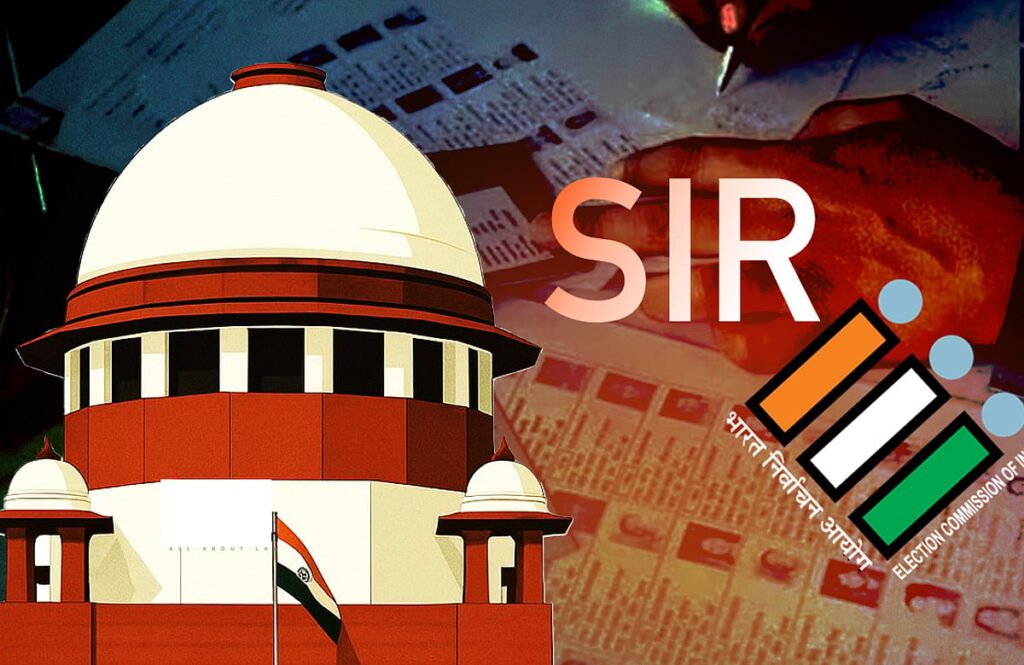
The Special Intensive Revision (SIR) of electoral rolls has become a major subject of judicial and public discussion. The Supreme Court recently sought clarification from the Election Commission of India over notices issued to voters during the SIR exercise in Delhi.
The court questioned the manner in which some notices were issued and sought details about the process followed by election authorities.
The Election Commission has maintained that the SIR exercise is aimed at revising and updating electoral rolls. On September 26, the poll panel announced measures under which Booth Level Officers would visit the homes of certain voters who received notices over unmapped records or logical discrepancies to collect documents.
The Commission has also said that decisions relating to the nationwide SIR were approved unanimously by its three Election Commissioners. This clarification came amid reports about differences within the poll panel over aspects of the electoral-roll revision process.
The Supreme Court’s scrutiny and the Election Commission’s subsequent clarifications have placed greater attention on how electoral-roll verification is conducted, how voters can respond to notices, and how eligible voters can ensure that their names remain correctly included in electoral rolls.
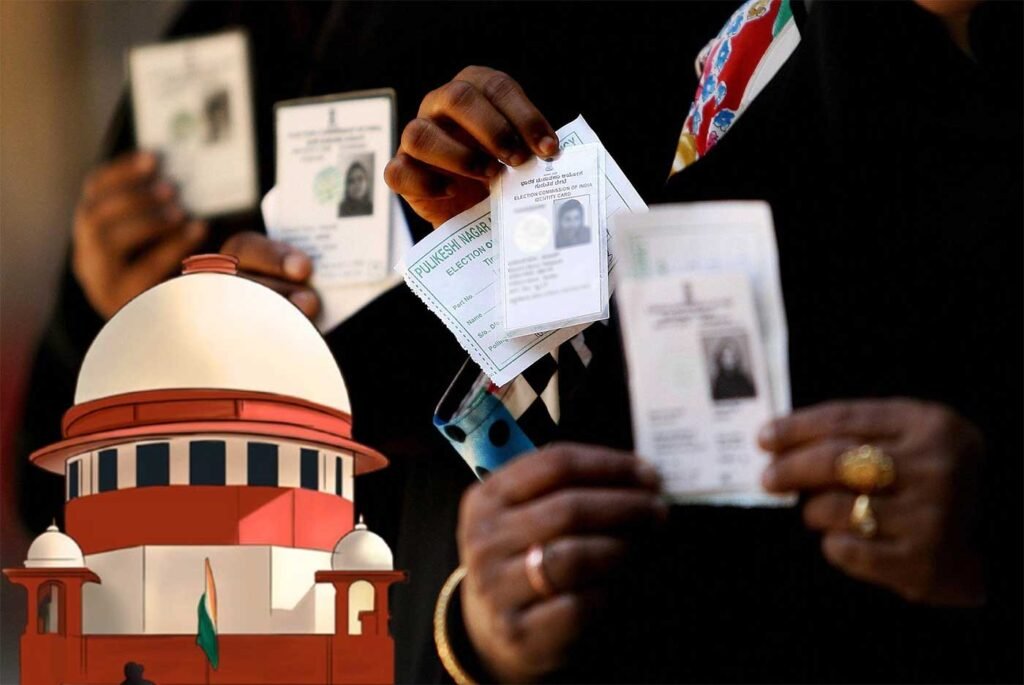
Following the discussions and concerns surrounding the exercise, the Election Commission announced several measures on September 26. For voters who receive SIR notices because of unmapped records or logical discrepancies, Booth Level Officers (BLOs) will visit their homes to collect documents. Such voters generally will not have to appear personally before the ERO/AERO unless an exceptional hearing is required.
The ECI also directed District Election Officers to establish help desks and special camps for groups including people living in night shelters, labourers, poor and homeless persons.
The Supreme Court has sought further information from the Election Commission on the notice-generation process and voter assistance mechanisms. The Delhi SIR schedule has also been revised, according to the Chief Electoral Officer, Delhi.
The continuing proceedings are therefore focused on how electoral-roll verification can be carried out while ensuring that voters receive clear information and a meaningful opportunity to respond to discrepancies in their records. The final legal and administrative position will depend on subsequent court proceedings and decisions by the Election Commission.