
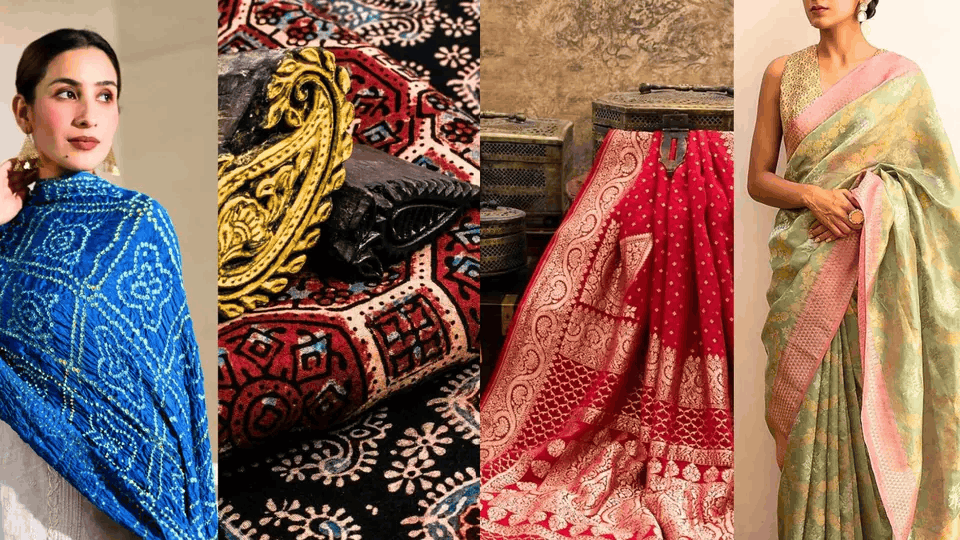
Indian textiles are finding fresh appeal as fashion lovers explore traditional fabrics beyond weddings and festive occasions. From the rich elegance of Banarasi silk to the distinctive patterns of Ajrakh, heritage crafts offer versatile options for both classic ethnic outfits and contemporary wardrobes.
1. Banarasi: Timeless Elegance
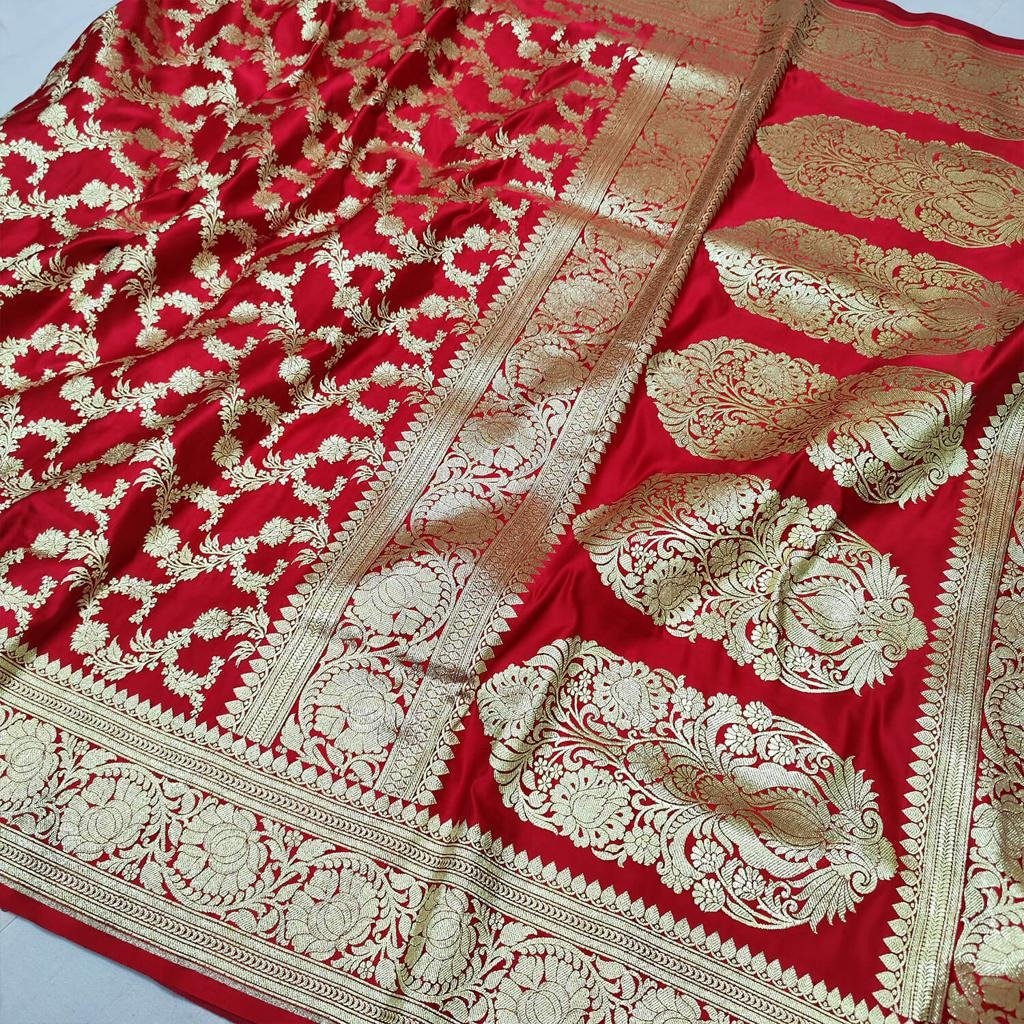
Originating in Varanasi, Banarasi textiles are known for their intricate weaving, rich textures and decorative motifs, often enhanced with zari work. They are widely associated with wedding wear and celebratory dressing.
Beyond traditional sarees, Banarasi fabric can also be incorporated into dupattas, blouses and statement jackets. Pairing a richly woven piece with understated accessories can create an elegant look without excessive embellishment.
2. Chanderi: Lightweight and Graceful
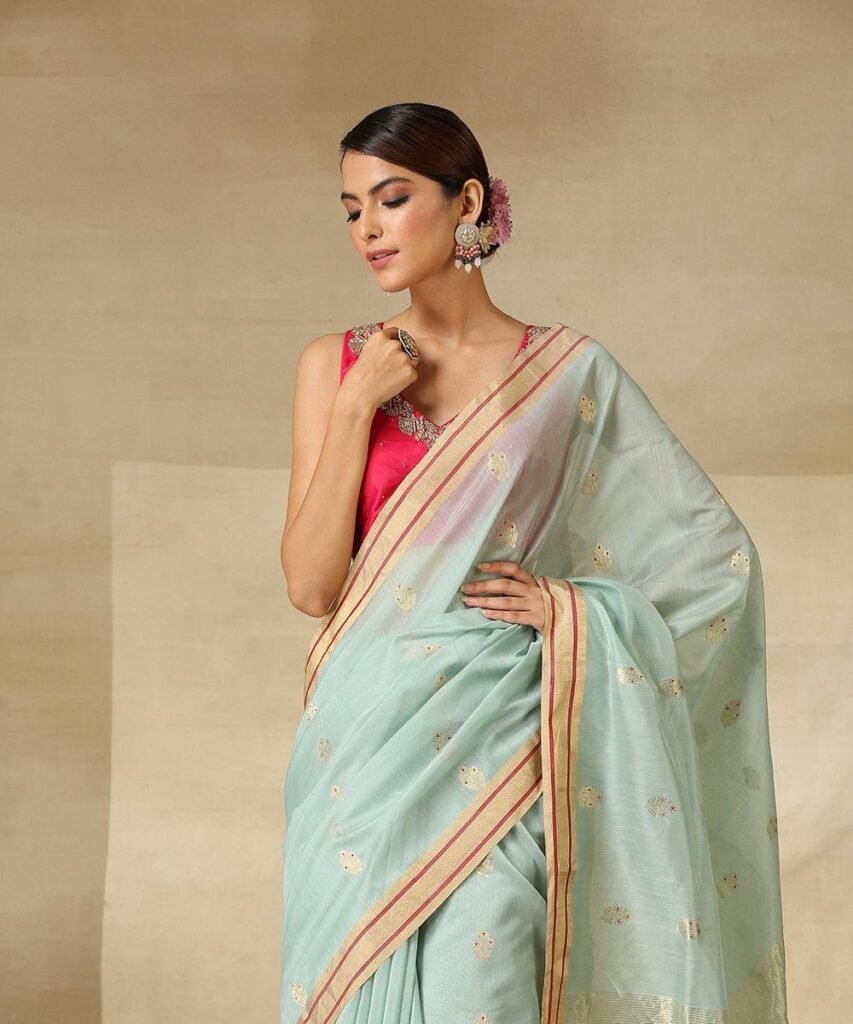
Chanderi, associated with the Madhya Pradesh town of the same name, is appreciated for its lightweight feel, delicate appearance and subtle sheen. Depending on its composition, it may feature silk, cotton or blended fibres.
Chanderi suits and sarees work well for daytime celebrations, family gatherings and occasions when heavier fabrics may feel uncomfortable. Since some versions can be sheer, checking the lining and fabric composition before purchasing is useful.
3. Bandhani: Colourful Traditional Charm

Bandhani is a traditional tie-dye craft associated with Gujarat and Rajasthan. The fabric is tied into small sections before dyeing, creating distinctive dots and intricate patterns.
Its colourful designs make it suitable for festive outfits, dupattas, sarees and everyday ethnic wear. For a contemporary combination, a Bandhani dupatta can be paired with a simple kurta set, allowing the pattern to stand out.
4. Ajrakh: Artistry in Every Print
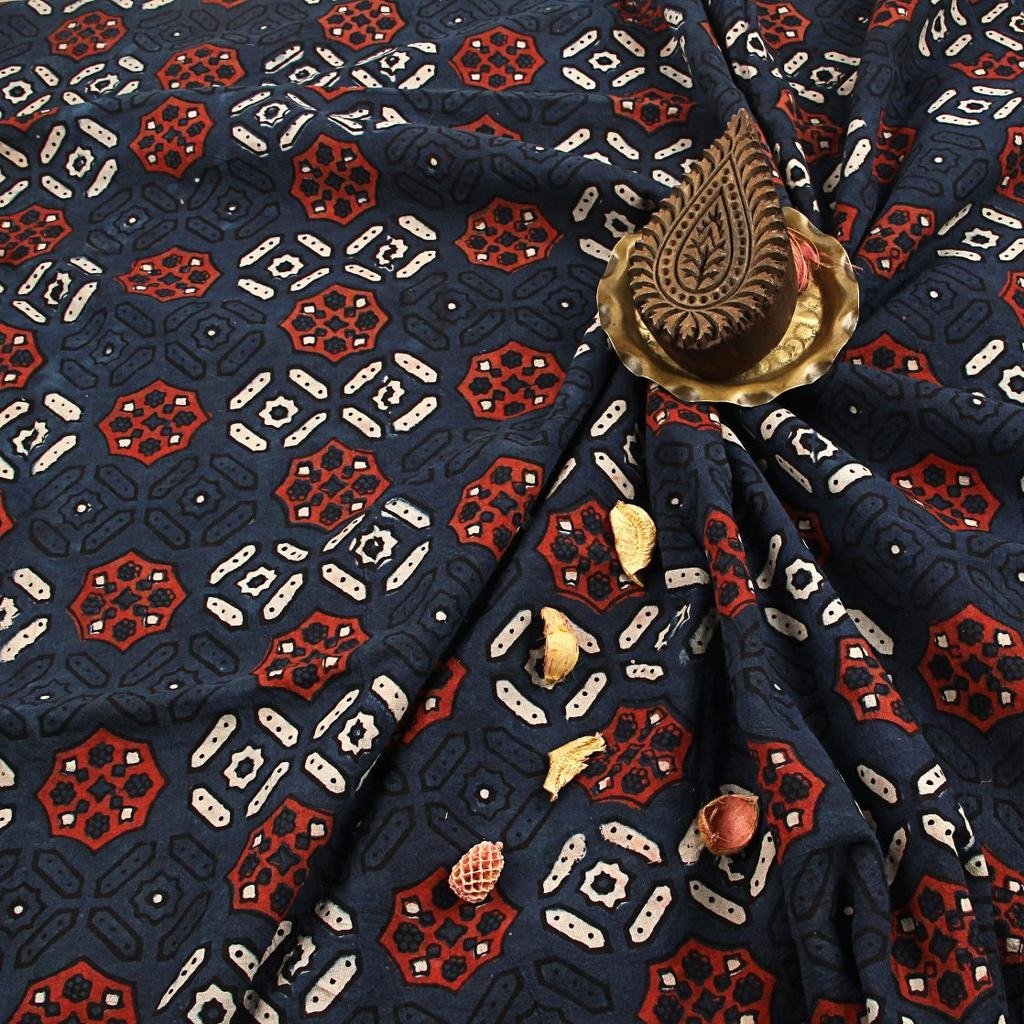
Ajrakh is a traditional block-printing craft recognised for its geometric designs, symmetrical patterns and earthy colours, particularly indigo, red and black. It is closely associated with Kutch in Gujarat and has a rich history across the wider Sindh region.
Unlike heavily embellished fabrics, Ajrakh often makes an impression through its intricate prints. Ajrakh kurtas, shirts and dupattas can be styled with plain trousers or jeans for a relaxed fusion look. Authenticity, printing techniques and fabric composition are worth checking when buying handcrafted pieces.
How to Choose the Right Fabric for Your Wardrobe
Each textile offers a different style, making the choice largely dependent on the occasion and personal preference.
- Choose Banarasi for weddings, celebrations and outfits with a rich, traditional appearance.
- Choose Chanderi for lightweight, graceful clothing and daytime events.
- Choose Bandhani for colourful looks and versatile festive styling.
- Choose Ajrakh for distinctive prints and contemporary everyday outfits.
Buying one well-made piece and styling it in different ways can also make traditional textiles more practical for regular use.
Why Indian Heritage Fabrics Remain Relevant
Traditional Indian fabrics represent generations of weaving, dyeing and printing expertise. Their continued use in modern silhouettes allows these crafts to remain part of changing fashion preferences.
Rather than treating heritage textiles as occasional wear, fashion enthusiasts can incorporate them into everyday wardrobes through simple cuts, contemporary accessories and thoughtful combinations. This approach celebrates Indian craftsmanship while making traditional fabrics more versatile.